

Custom Work & Utility Belts
WiseBelts makes custom work and utility belts in Yiwu, China, for uniform ranges and workwear brands.
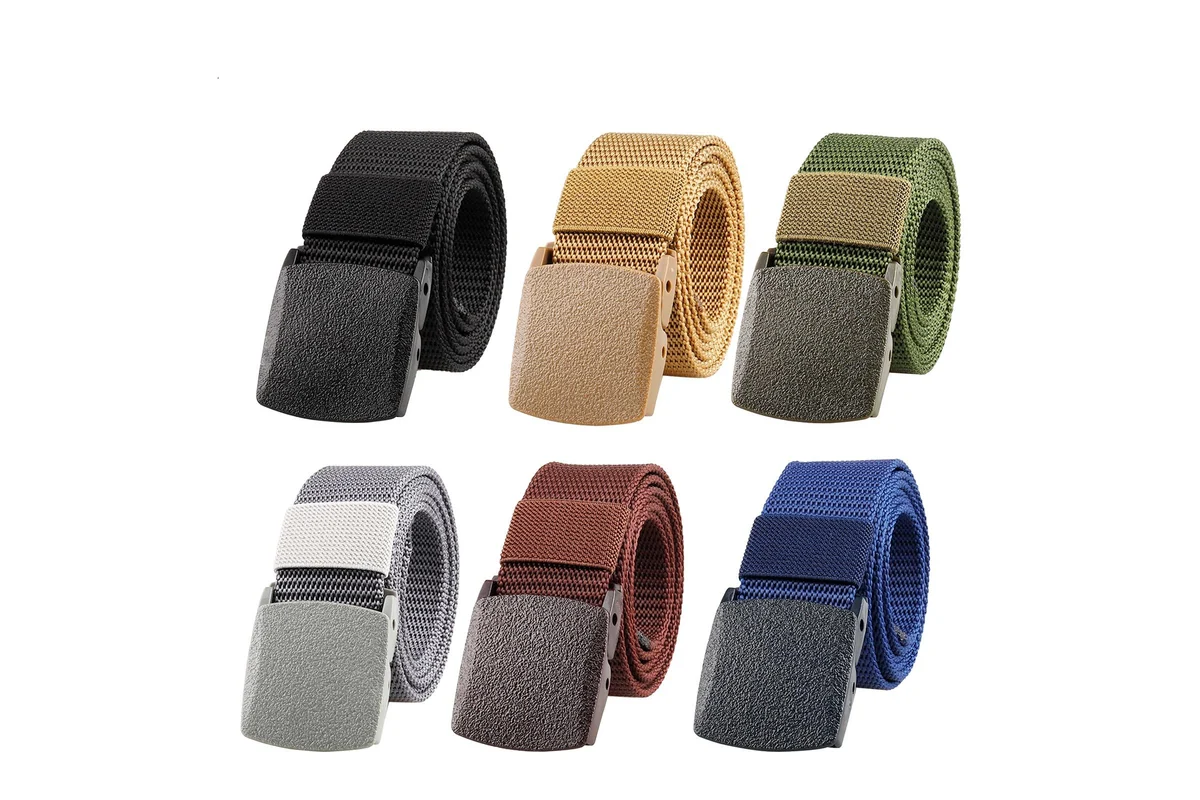
Work Belts Built Around the Uniform
- The minimum order is 100 belts.
- Finished width and tip thickness determine which garment loops a belt will pass through.
- A matching strap and discreet mark can carry one identity across a uniform range.
- The strap construction determines how the belt bends and holds its shape at the waist.
- We make the belts in-house and check every belt before dispatch.
Develop the Belt With the Workwear
A good uniform sample brings the belt and garment together.

Work from the garment
The trouser loops and waistband set useful limits for the belt profile.
Fit for seated wear
Sit down while wearing the sample to check how the buckle rests against the front of the uniform.
Organize sizes
One agreed measuring point makes separate size runs easier to compare.

Keep a consistent look
Strap color, thread and buckle finish can be discussed as one uniform palette.
Review details at full scale
Thread the tip through the trouser loops, then fasten the belt and check that the tail fits the keeper.

Go straight to the factory
A picture of the existing uniform gives our Yiwu team a reference to work from.
Compare Workwear Belt Designs
Share the uniform or trouser style the belt will accompany. We can discuss the shape and hardware from that starting point.
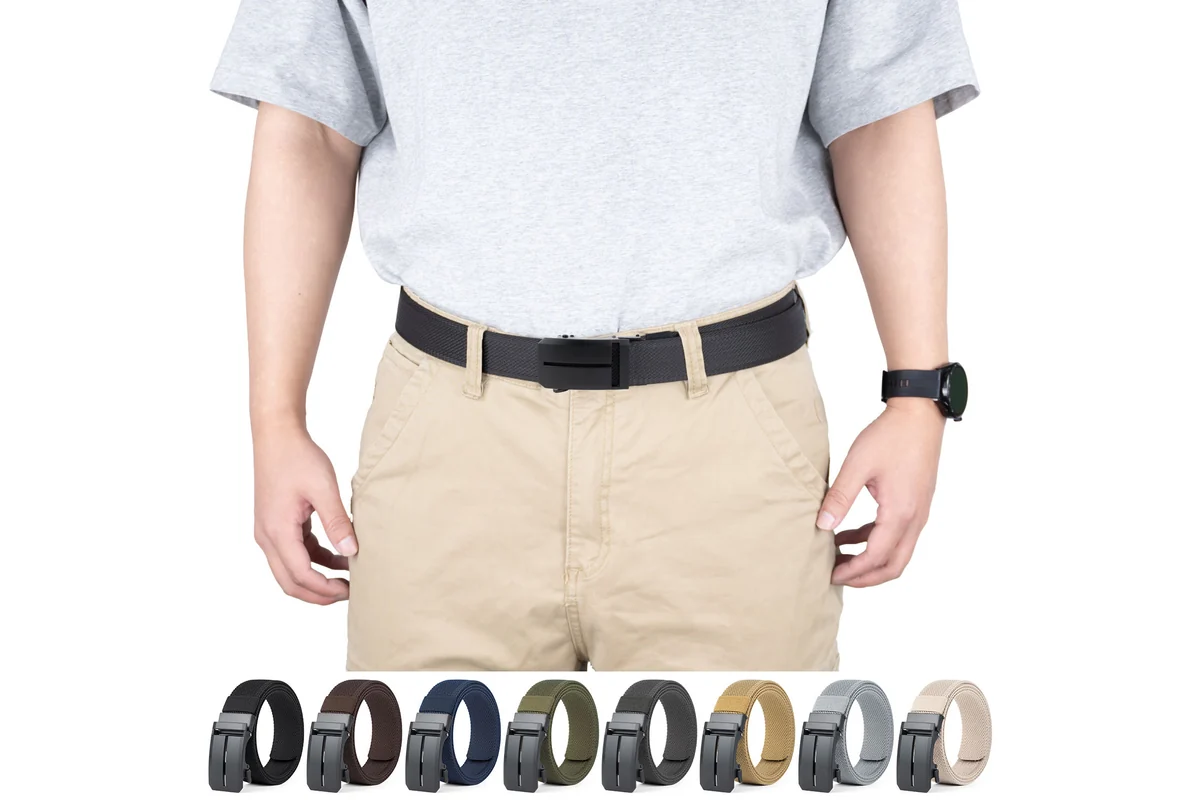
Start With the Uniform Trousers
Both the strap and its tip need to fit through the smallest belt loop on the uniform trousers.
- Clear loop width
Measure the inside opening with the garment laid flat. - Tip thickness
A layered or folded tip can be thicker than the rest of the strap. - Wearing point
Use a well-fitting uniform belt to locate the normal fastening point. - First loop position
The loose tail should reach the first loop without an excessive overhang.
Choose the Body and Edges
Two belts of the same width can feel different around the waist.
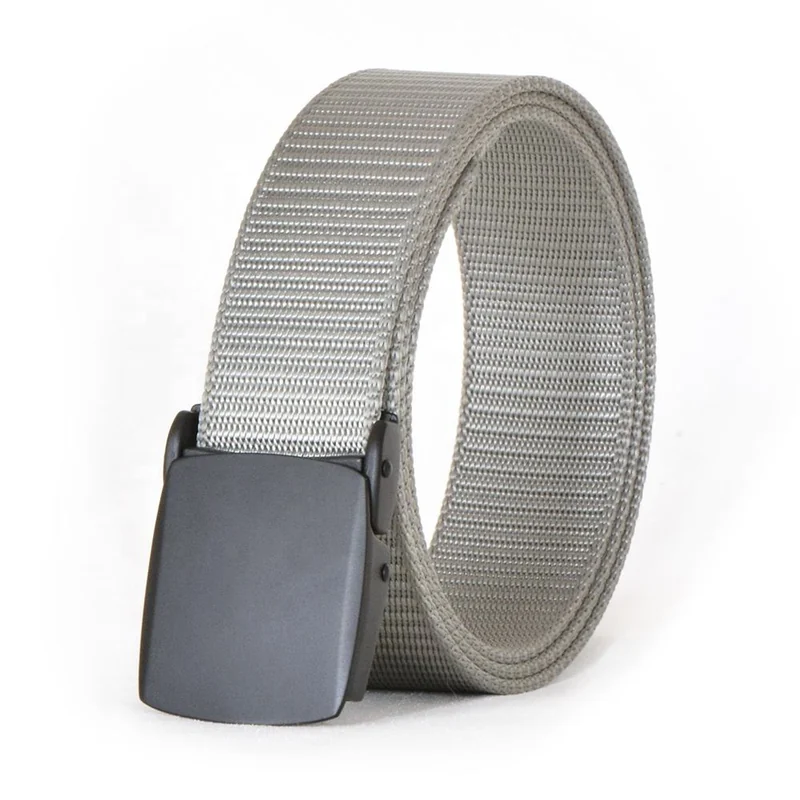
- Flat webbing
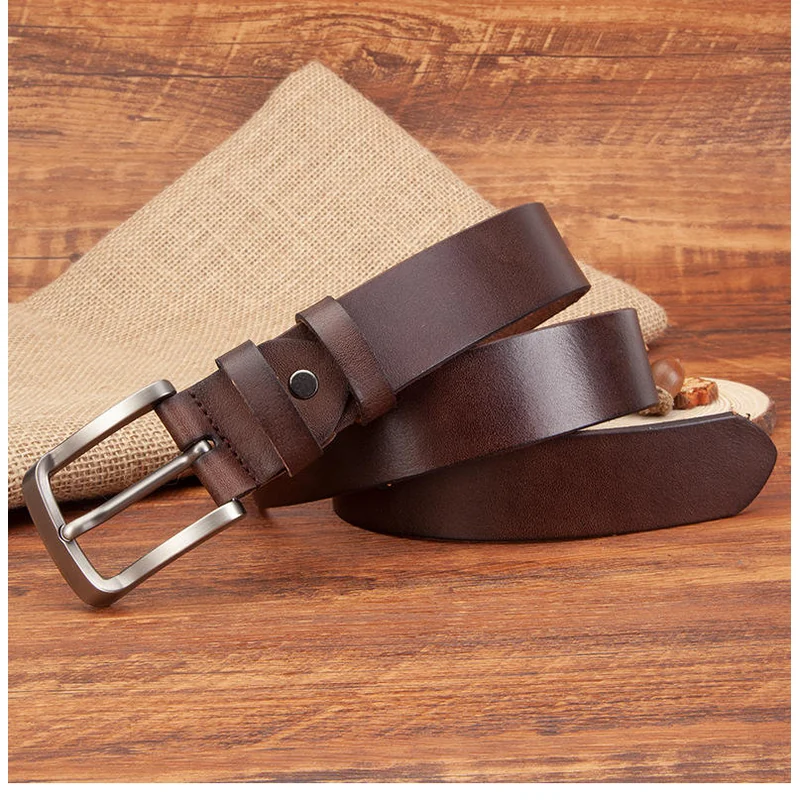
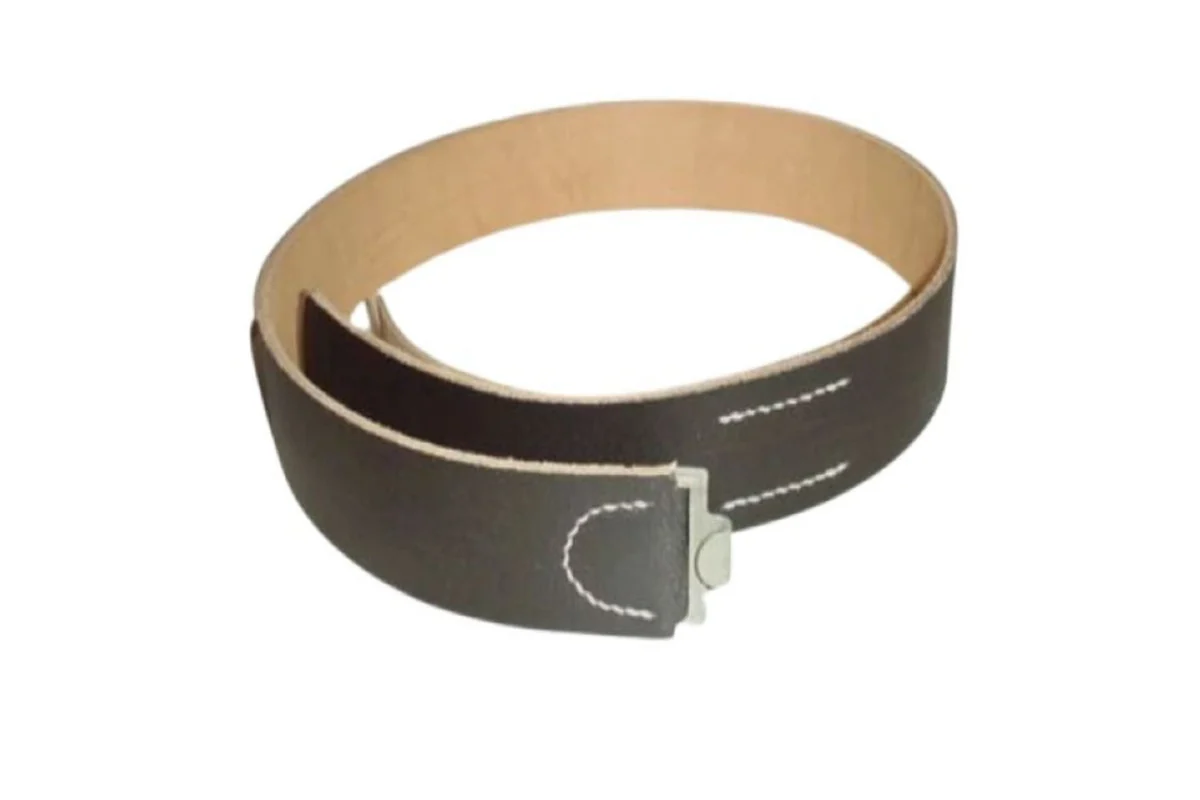
A visible weave suits casual workwear and a simple utility look. - Leather strap
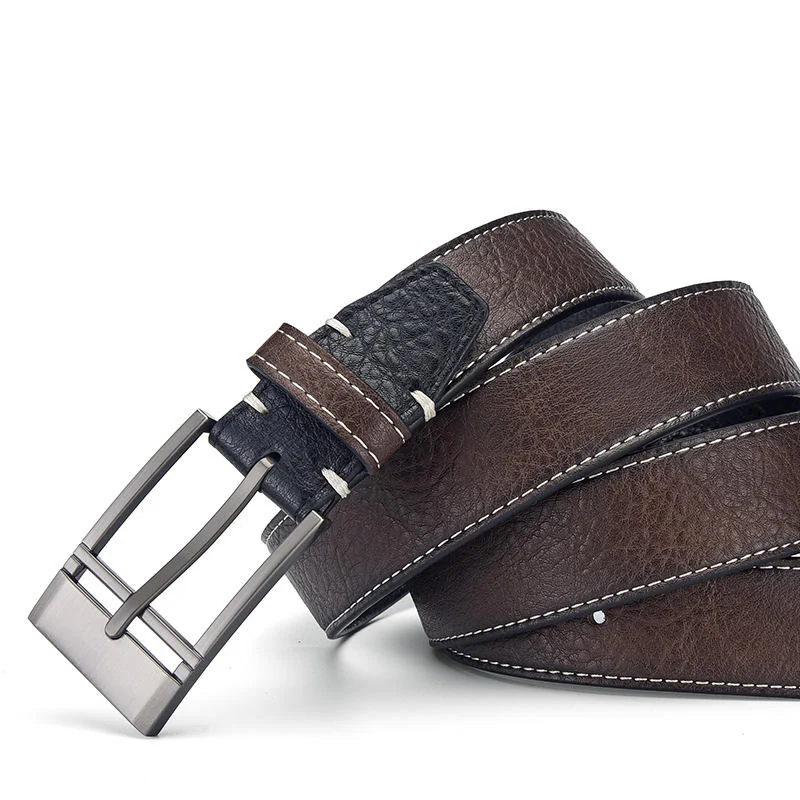
A continuous face gives a uniform belt a more tailored finish. - Stitched edge
One row of stitching gives the strap a narrow border. Two parallel rows stand out in contrast thread and look subtler in a matching color. - Backing and layers
An additional layer changes the bulk at the buckle and keeper.
Select Hardware for Daily Wear
Buckle depth matters when a uniform is worn at a counter, in a vehicle or at a desk.
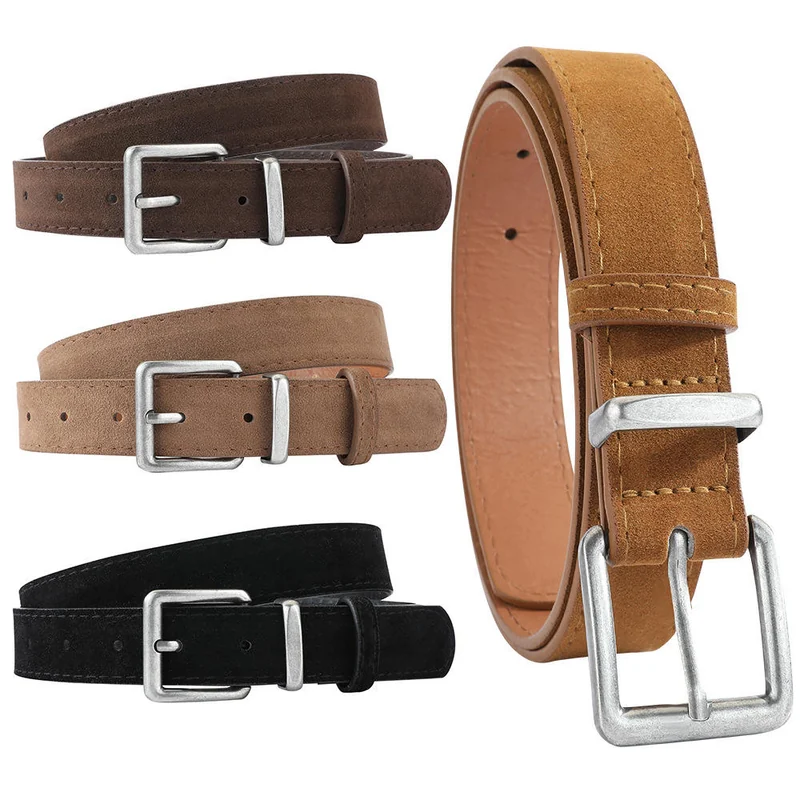
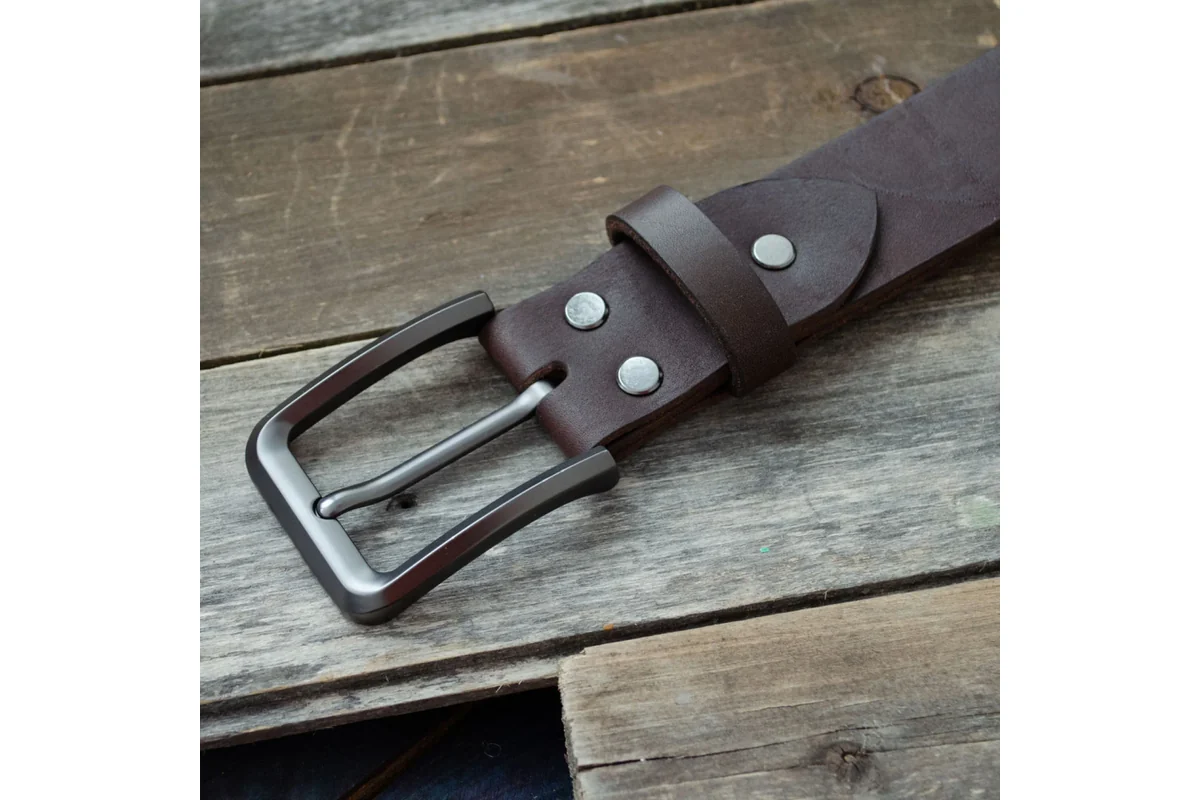
- Pin buckle
A pin fixes the belt at a punched hole, giving each size clear reference positions. - Roller buckle
The roller moves under the strap as it is fed through or released. - Flat buckle face
A flatter buckle sits closer to the waistband. - Hardware finish
Matte black blends into a dark uniform. Brushed silver-tone hardware can match a silver badge without a mirror finish.
Position the Keeper and Tail
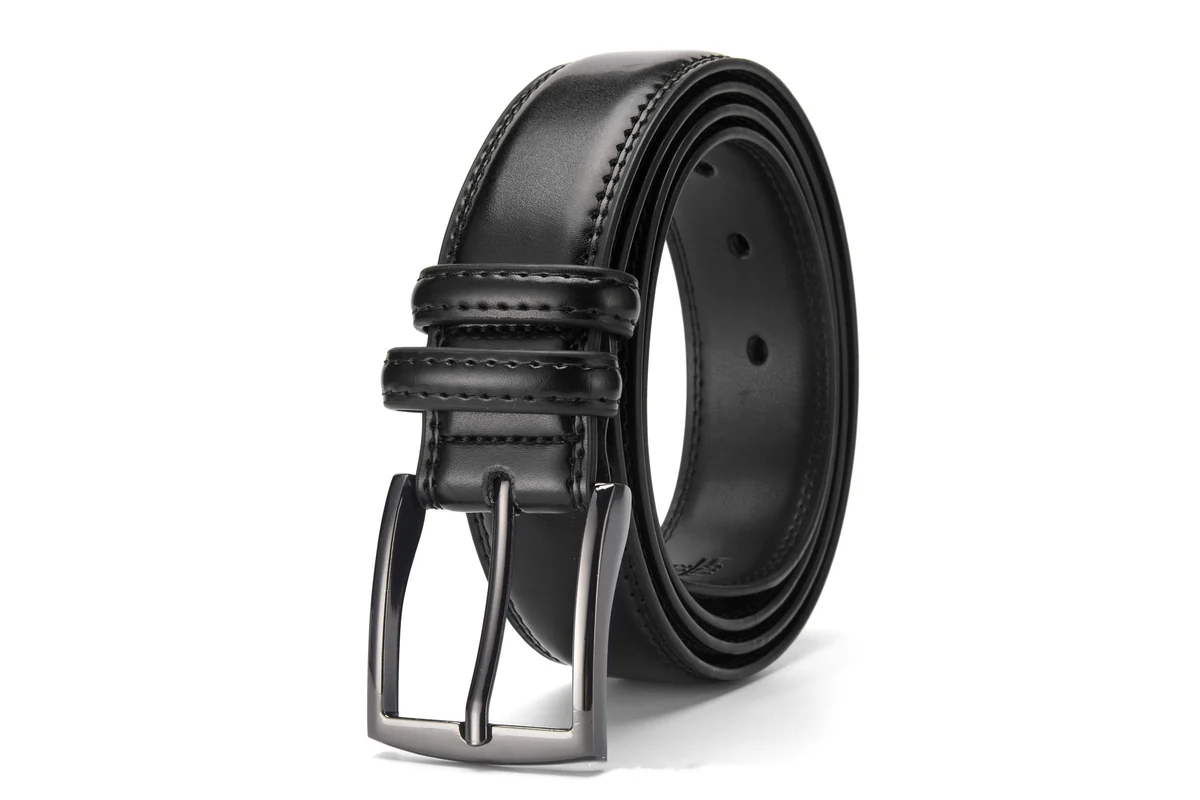
A keeper controls the free end and affects how tidy each size looks when worn.
- Single keeper
A loop next to the buckle holds the tail close to the body. - Keeper clearance
The finished tip should pass through without catching on the edge or stitching. - Fixed position
A sewn-in keeper retains a consistent distance from the buckle. - Tail shape
A tapered or rounded tip can make it easier to feed the belt through garment loops.
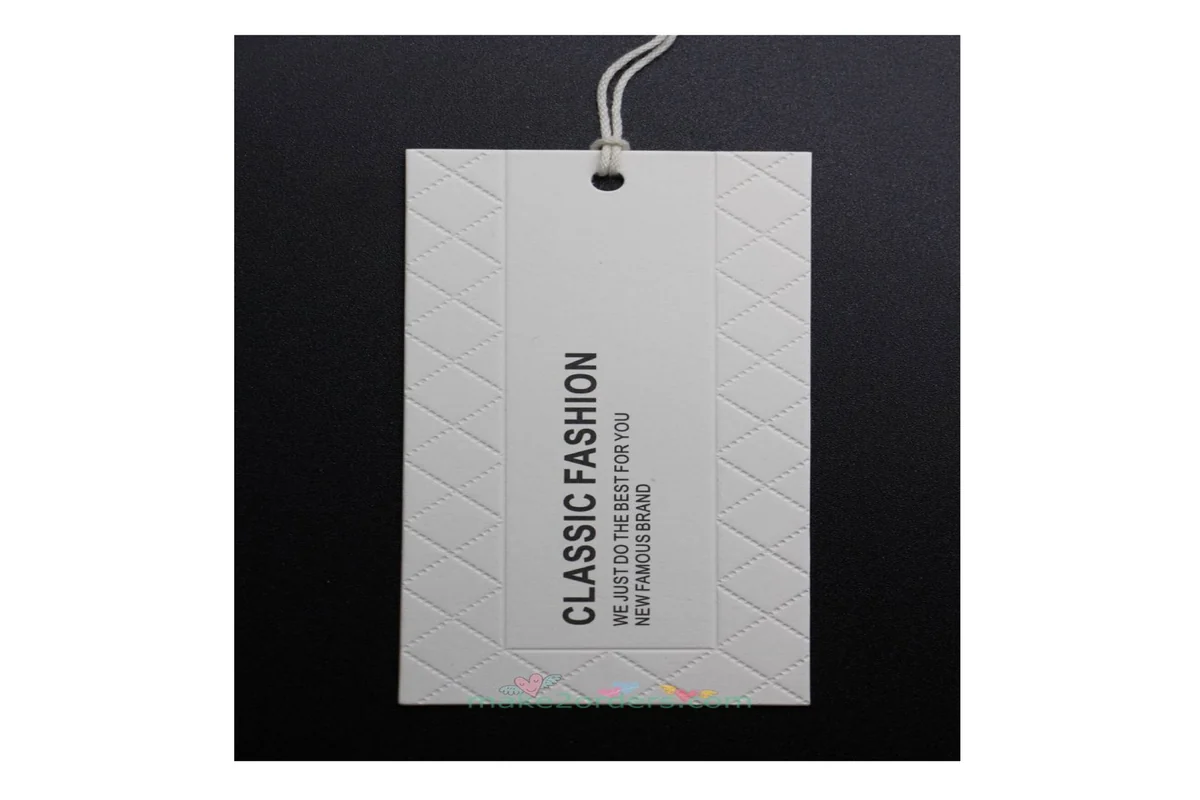
Label Belts for Uniform Orders
Size and department identification need to be clear to the person distributing the belts.
- Uniform color
Match the main strap to the trouser color or use one approved contrast. - Logo placement
A small woven label carries the uniform logo on webbing. On a leather belt, a recessed mark near the tip leaves the front of the uniform uncluttered. - Size label
A visible size on the tag lets the issue desk sort a shipment without trying on each belt. - Carton marking
Putting the size and quantity on each carton makes it easier to match boxes to the packing list.
Materials for Uniform and Work Belts
Choose materials for the garment fit, appearance and intended daily use.
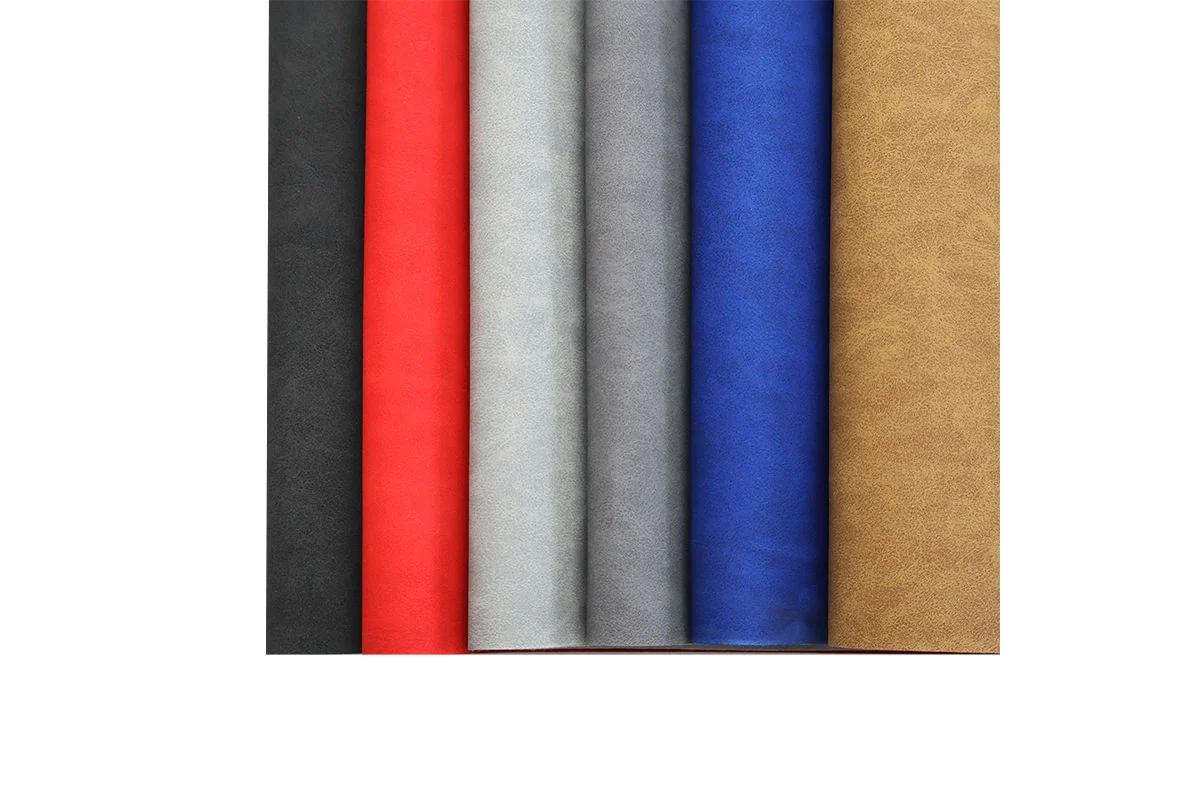
Webbing and leather
Webbing has a visible yarn structure, while leather provides an uninterrupted area for a small mark.
Compare Strap Faces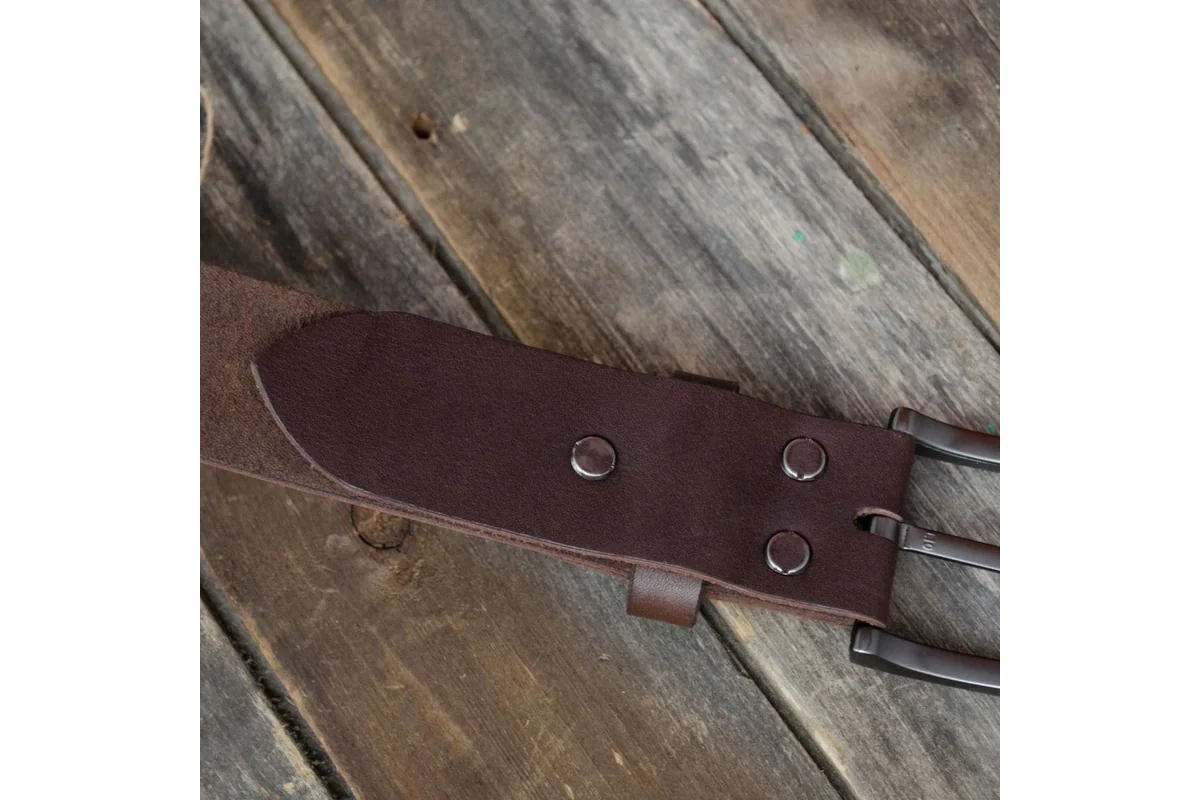
Edge and buckle clearance
A folded end or extra layer changes the space the buckle and keeper need. Check the complete belt with a uniform sample.
Discuss Construction Details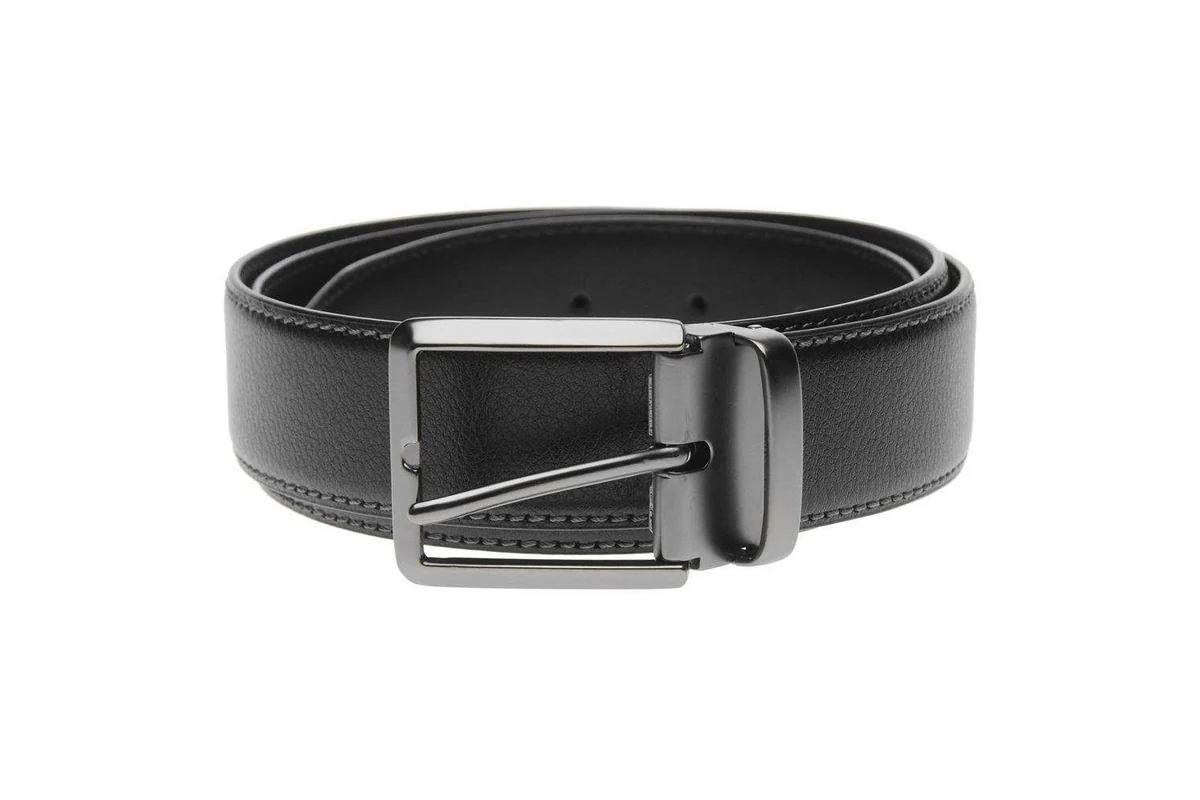
Review the finished profile
Run the sample through the uniform loops. Wear it standing and seated to see where the buckle and tail sit.
Discuss the Uniform Sample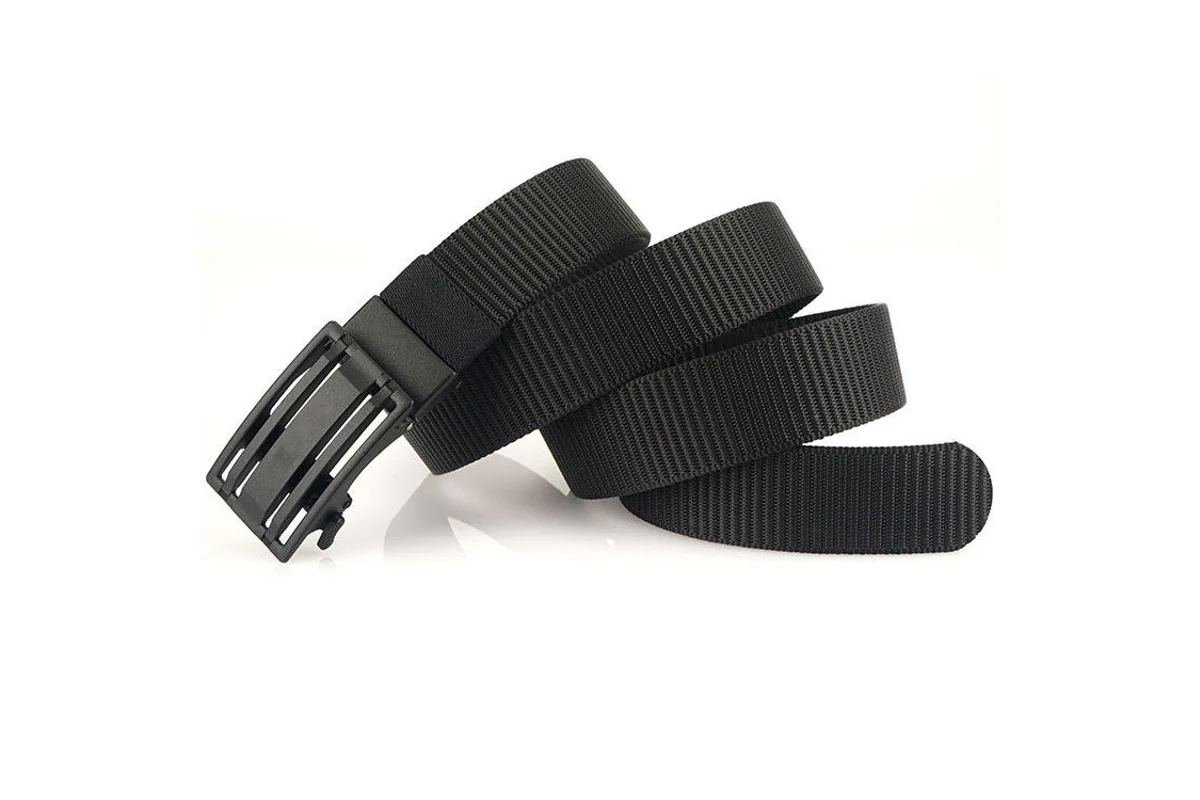
Try It With an Issued Uniform
Compare the size on the finished belt with the size on the uniform issue list.
Start With Your Uniform Belt
Email a photo of the uniform or tell us about the belt you need. Once you have a style in mind, we can discuss loop size and quantity.
Get a Custom QuoteWork Belt Buying Questions
Sizing and ordering details for uniform programs.