
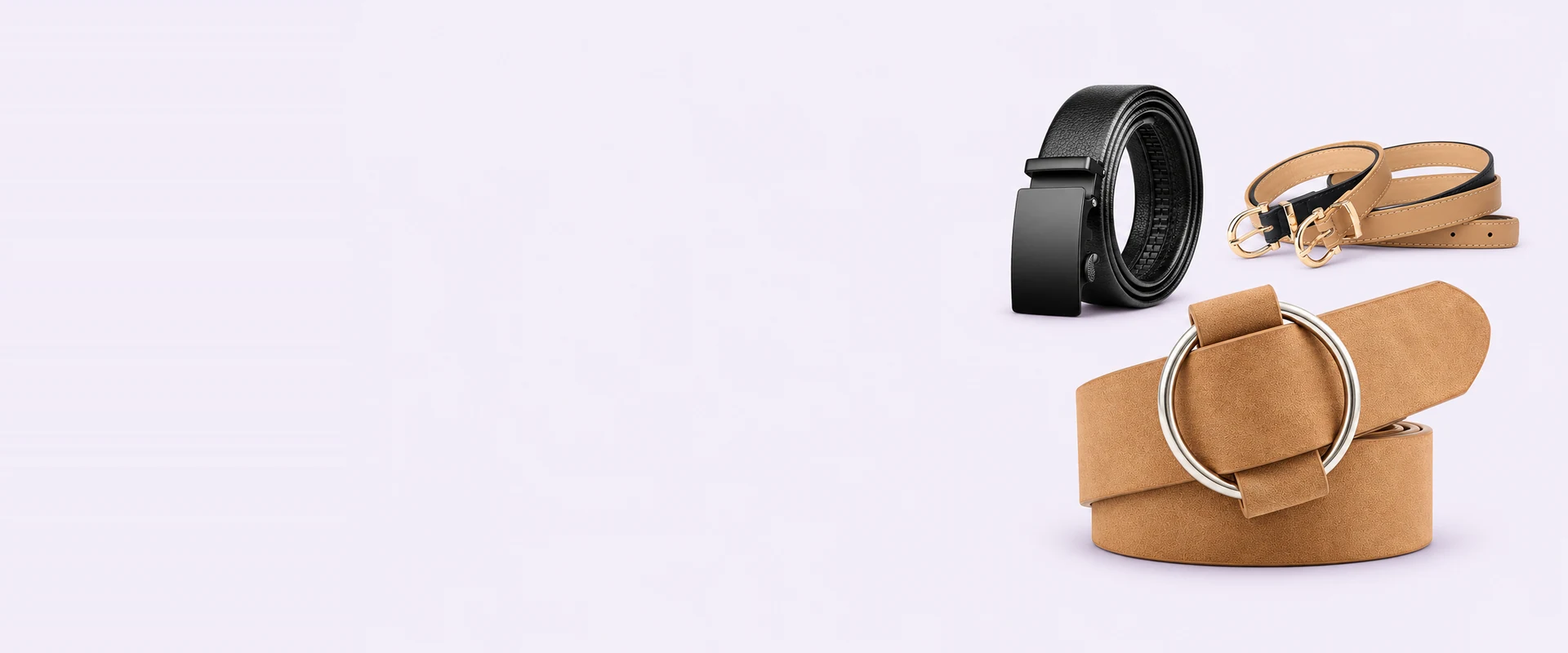
Custom PU & Synthetic Leather Belts
WiseBelts makes custom synthetic leather belts in Yiwu for brands developing their own strap finishes and colors.
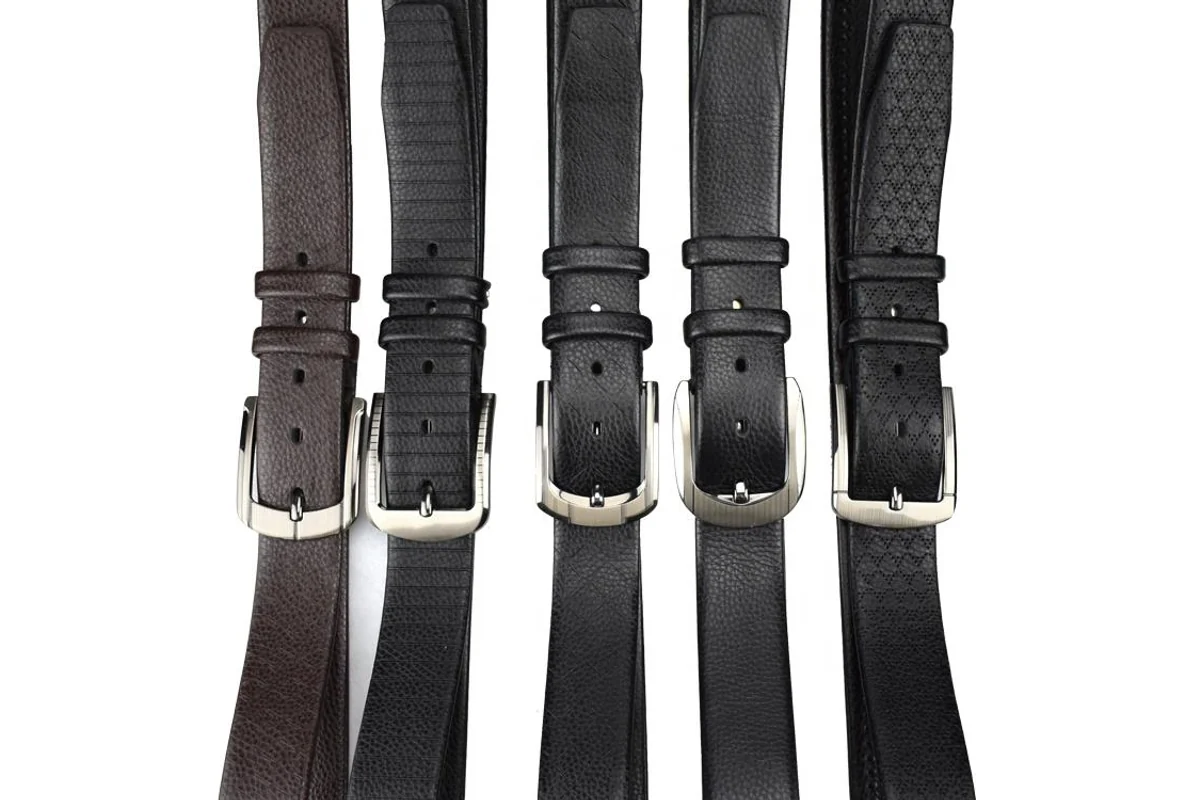
Specify the Finish of Your Synthetic Leather Belt
- The minimum order is 100 belts.
- Width, lining and tip shape set the finished profile.
- Color and logo placement can give a single strap design several distinct looks.
- The coating and backing are separate parts of the material specification.
- Every belt is checked at our Yiwu factory before shipment.
Working with WiseBelts on Synthetic Leather Belts
Bring a color reference, surface sample or product idea to the people making your belt.

One factory contact
Email WiseBelts in Yiwu, Zhejiang, to discuss your belt line.

A basis for color selection
A chip or fabric swatch gives us a reference for the shade you want.

Private-label styling
Check how clearly your logo reads against the grain at the size it will appear on the strap.

Physical samples
We make samples in 3–5 days. Use yours to check the sheen and feel how the strap bends.

First production order
Plan your initial production run from a 100-belt minimum.

In-house production
Our factory makes the belts in Yiwu and checks each completed belt before dispatch.
Synthetic Belt Finish Ideas
Use these finishes as starting points for your line. The same belt outline can look quite different with a flatter finish, a raised grain or a bright edge.
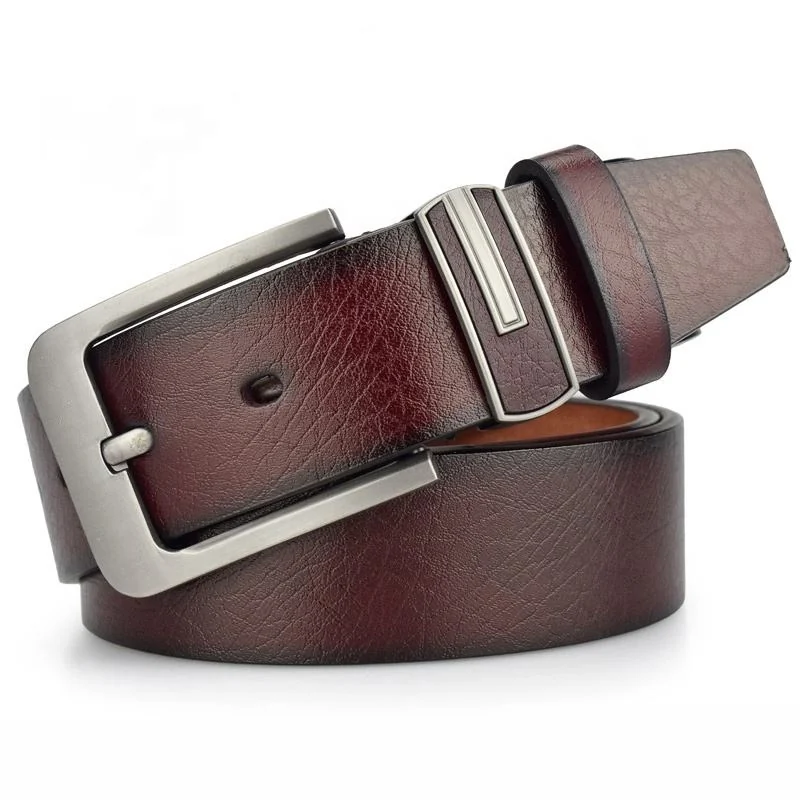
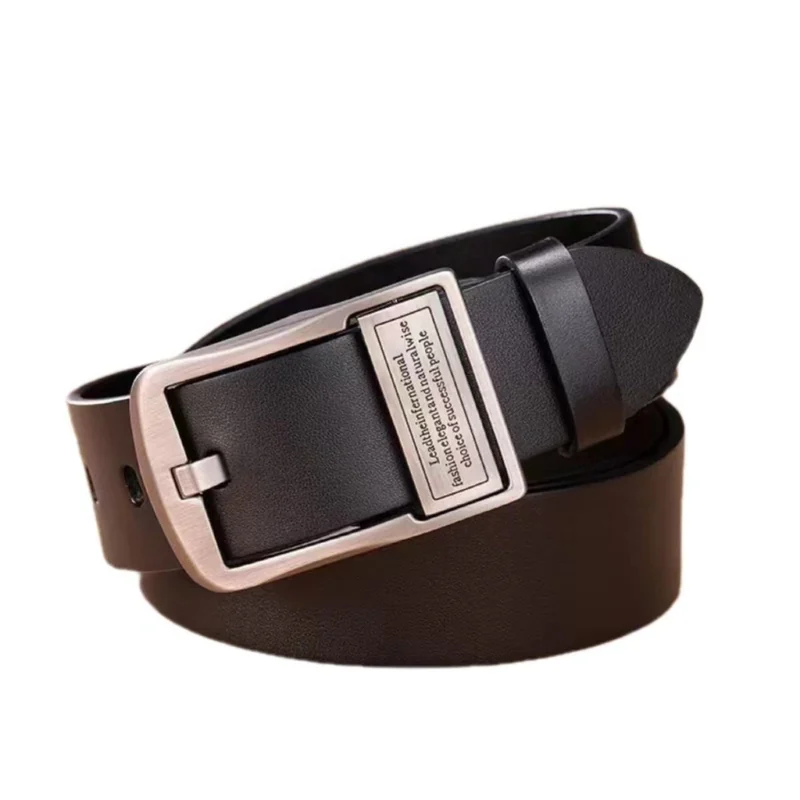
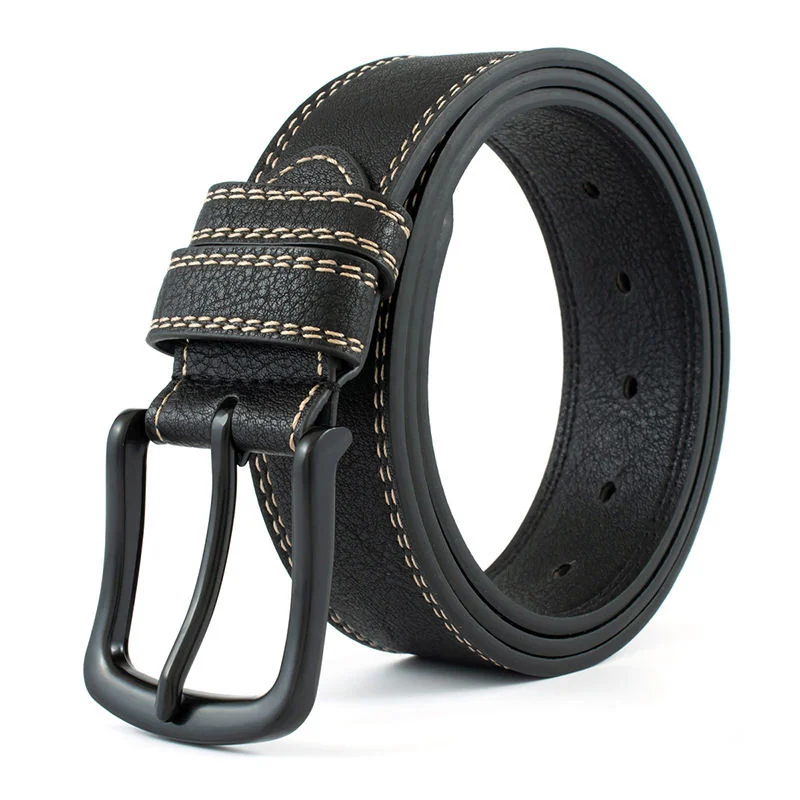
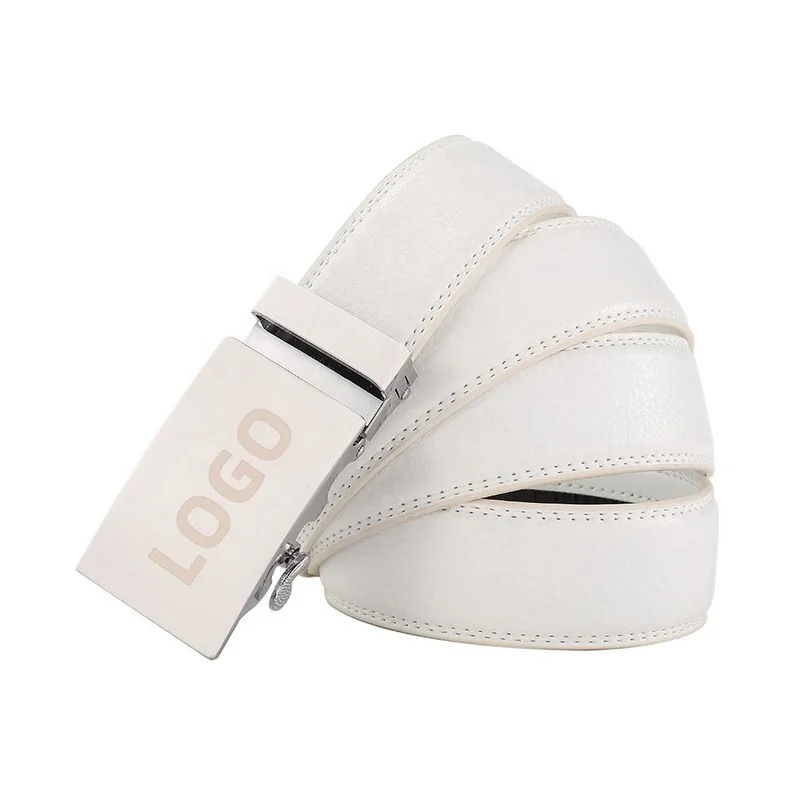
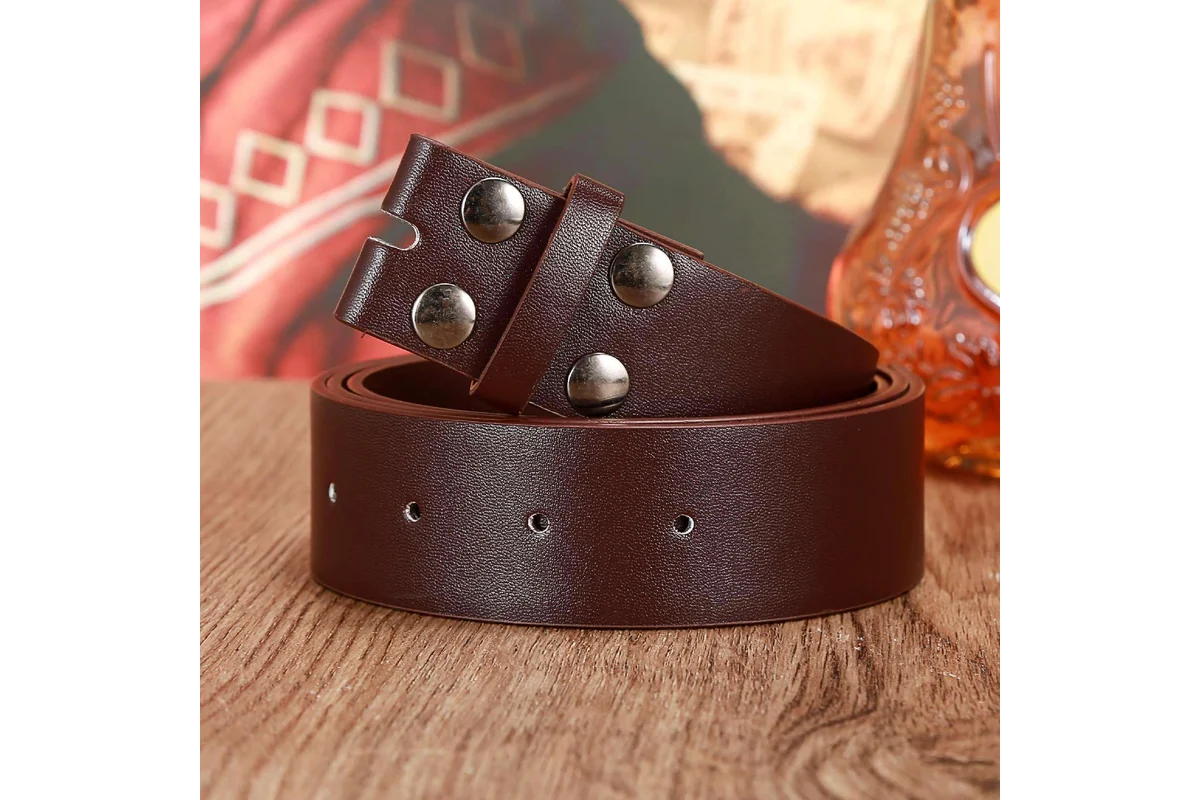
Look Beneath the Coating
A coated belt is a combination of materials. A face swatch alone leaves out the backing and the way the strap bends.
- PU surface
PU identifies a polyurethane layer. Its color, grain and sheen can be specified separately. - Backing
The backing supports the coated face. On an unlined strap, the backing also sits against the garment. - Microfiber base
Microfiber describes a base material; the top finish still determines the visible appearance. - Cross section
A cut sample shows the layers clearly where the edge will be painted or folded.
Set Grain and Gloss Together
Look at the same color across different surfaces. A directional grain or a glossy topcoat can change how dark a shade appears.
- Smooth
A plain face lets a block color and a printed mark read clearly. - Pebbled
Small raised areas break up reflections and give a solid-colored strap more depth. - Matte
A low-sheen finish pairs easily with understated hardware. - Gloss
A glossy surface picks up highlights along the curve of the belt.
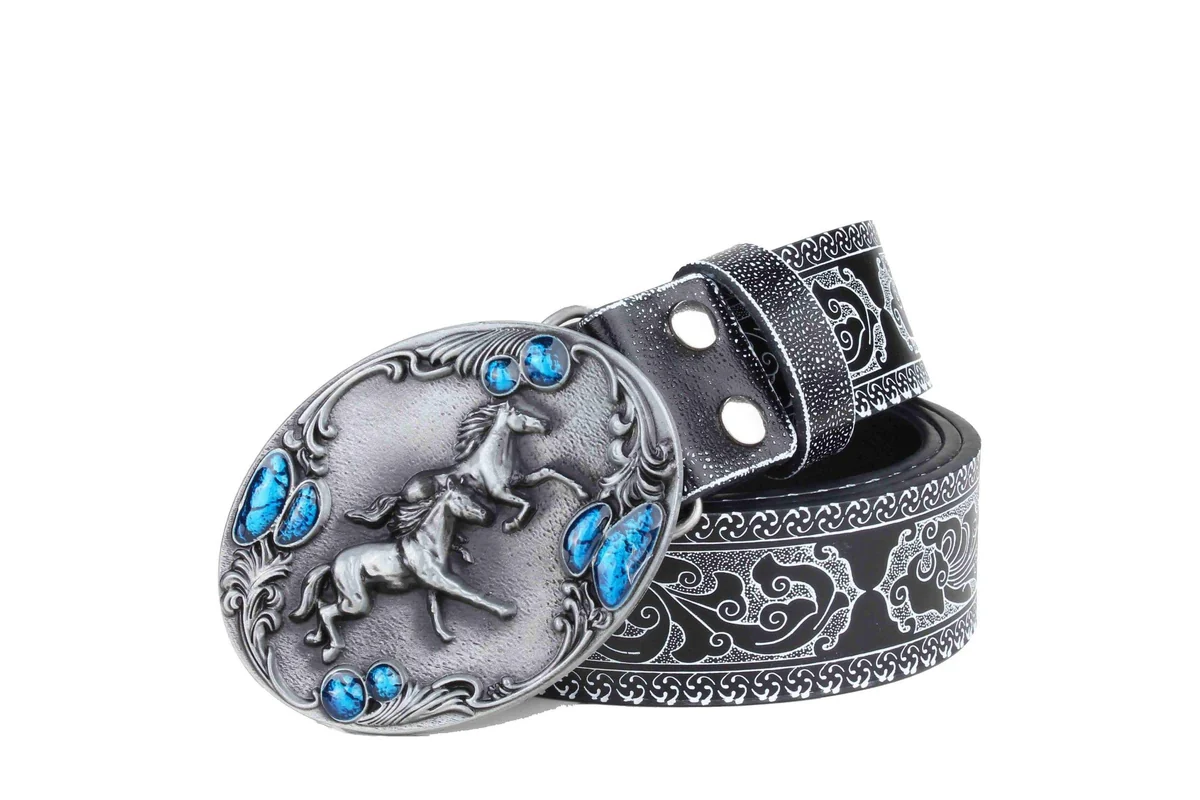
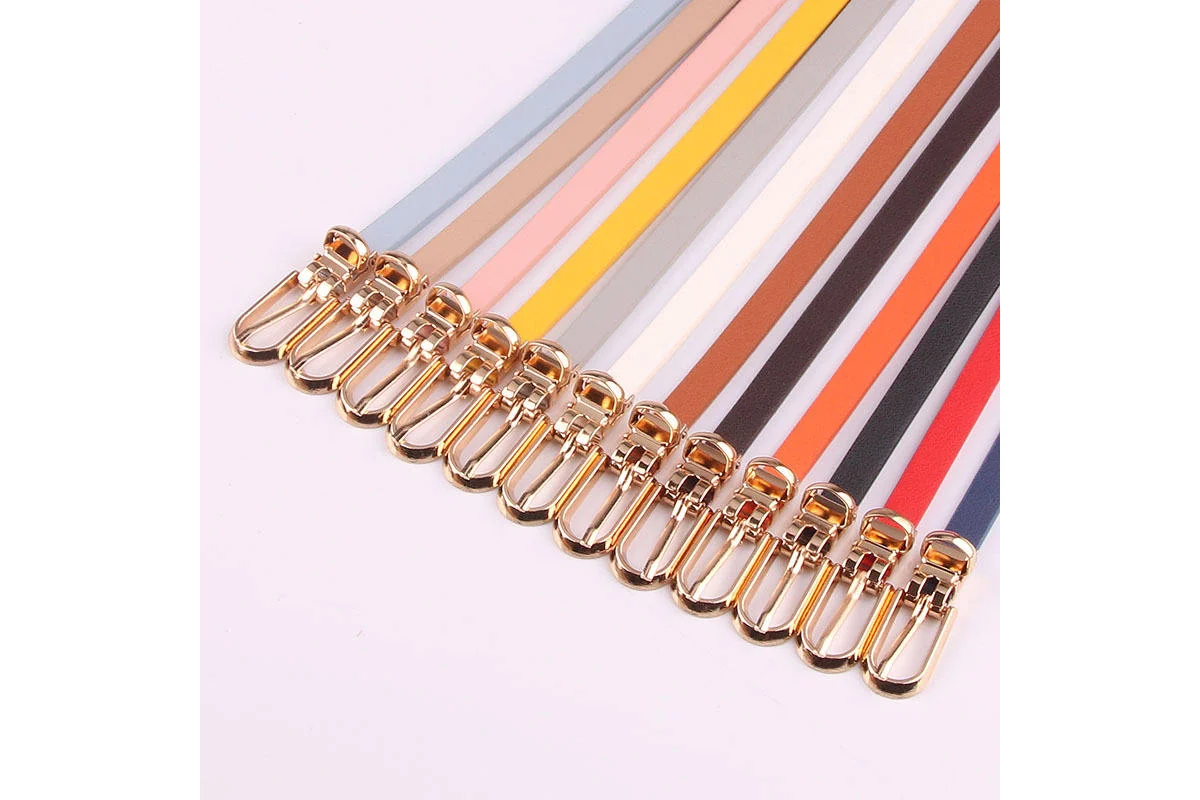
Build a Coordinated Colorway
Consider the strap, edge and thread as three separate color areas. A close match and a deliberate contrast produce different outlines.
- Face color
For a coating that can be color-matched, a physical swatch or Pantone reference sets the target shade. - Edge color
Tonal edge paint continues the face color around the tip. A contrasting edge frames it. - Thread
Contrast thread outlines the stitch line even when the belt is seen from a distance. - Lighting
Compare the color under the light used for the rest of the collection, particularly when matching a bag or shoe.
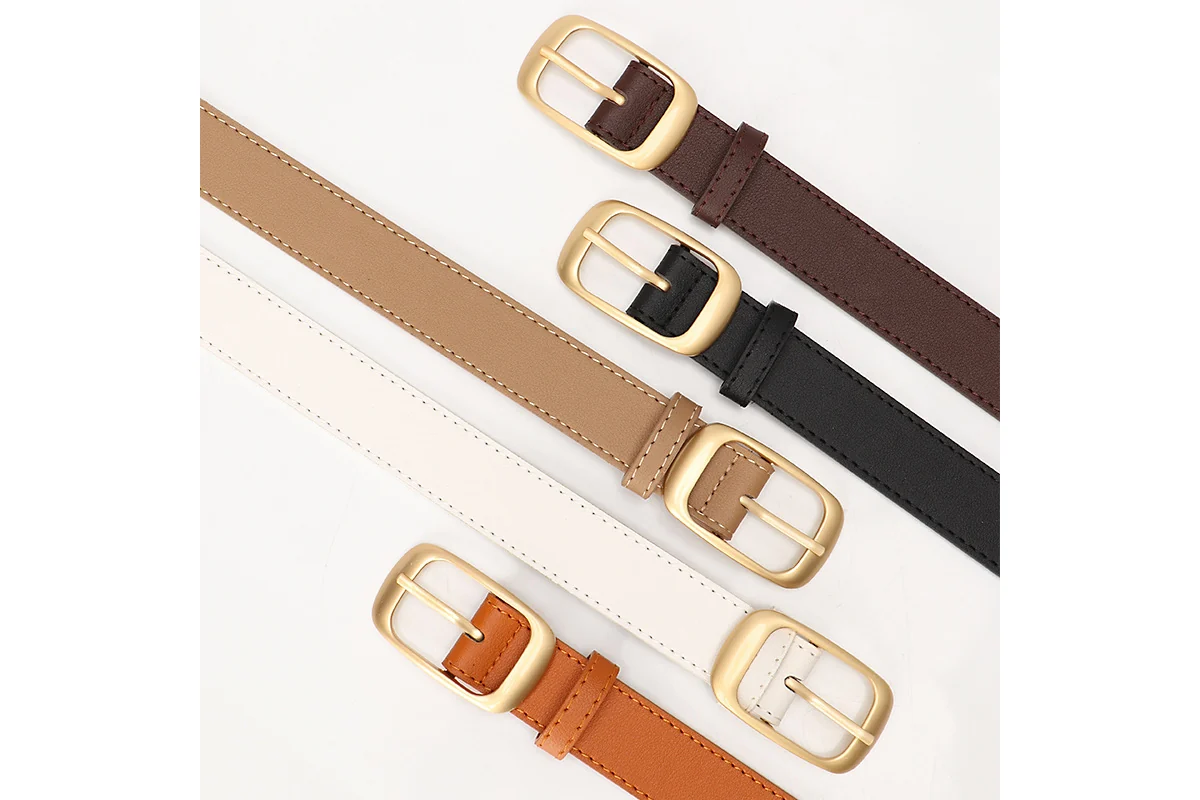
Choose the Strap Profile
A square-cut edge looks flat in profile. A folded edge is rounded, and a lining adds thickness. The edge matters most on light or contrasting colors.
- Folded sides
A fold carries the face material around the side and rounds the edge. - Painted sides
Edge paint covers the visible cut layers and leaves a defined border. - Lining
The back material sets the inside color and contributes to the finished thickness. - Buckle clearance
Use finished thickness to check that a folded or lined strap passes through the opening.
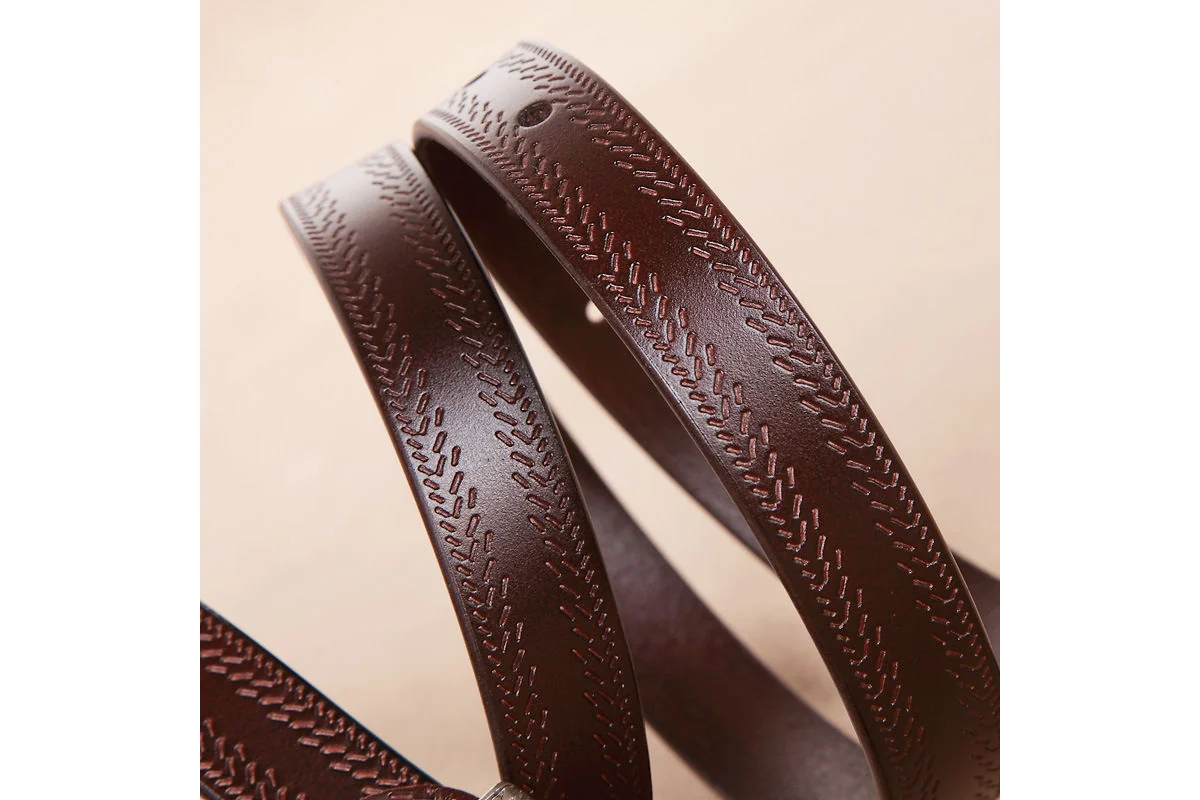
Fit the Logo to the Surface
Keep the artwork readable at actual belt size. A heavy texture can compete with narrow lines and small letters.
- Printed artwork
A contrasting ink color gives a logo a visible outline on a smooth face. - Recessed mark
A pressed mark uses light and shadow to reveal the design; the coating affects the result. - Foil
Gold or silver foil gives lettering a metallic finish. The coating and grain affect how cleanly fine lines transfer. - Location
A mark near the tip stays visible if it clears the keeper and trouser loops. An inside mark leaves the face uninterrupted.
Compare Synthetic Strap Materials
Evaluate a swatch by its coating, backing and edge. Product labels alone do not show how the assembled belt will look.
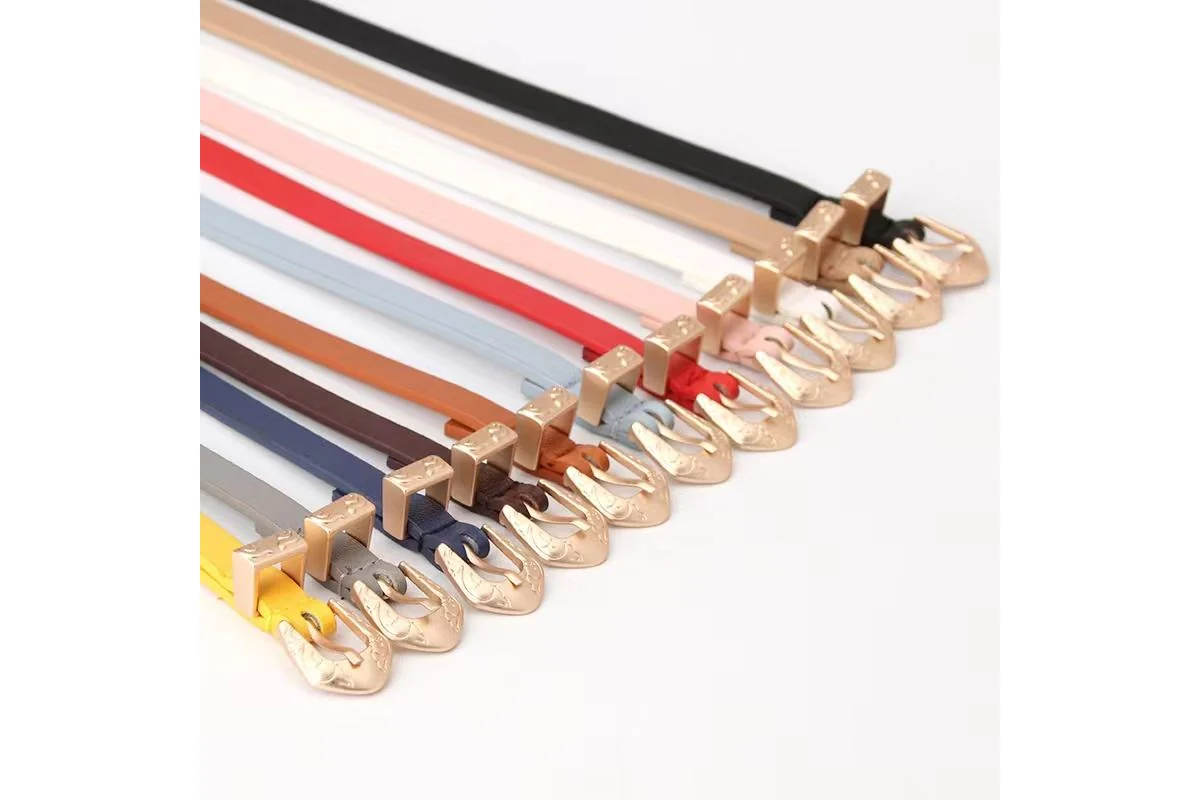
Coated Strap Materials
Two materials sold as faux leather may have different bases. The sample should show both faces and the finished thickness.
Discuss Material Choices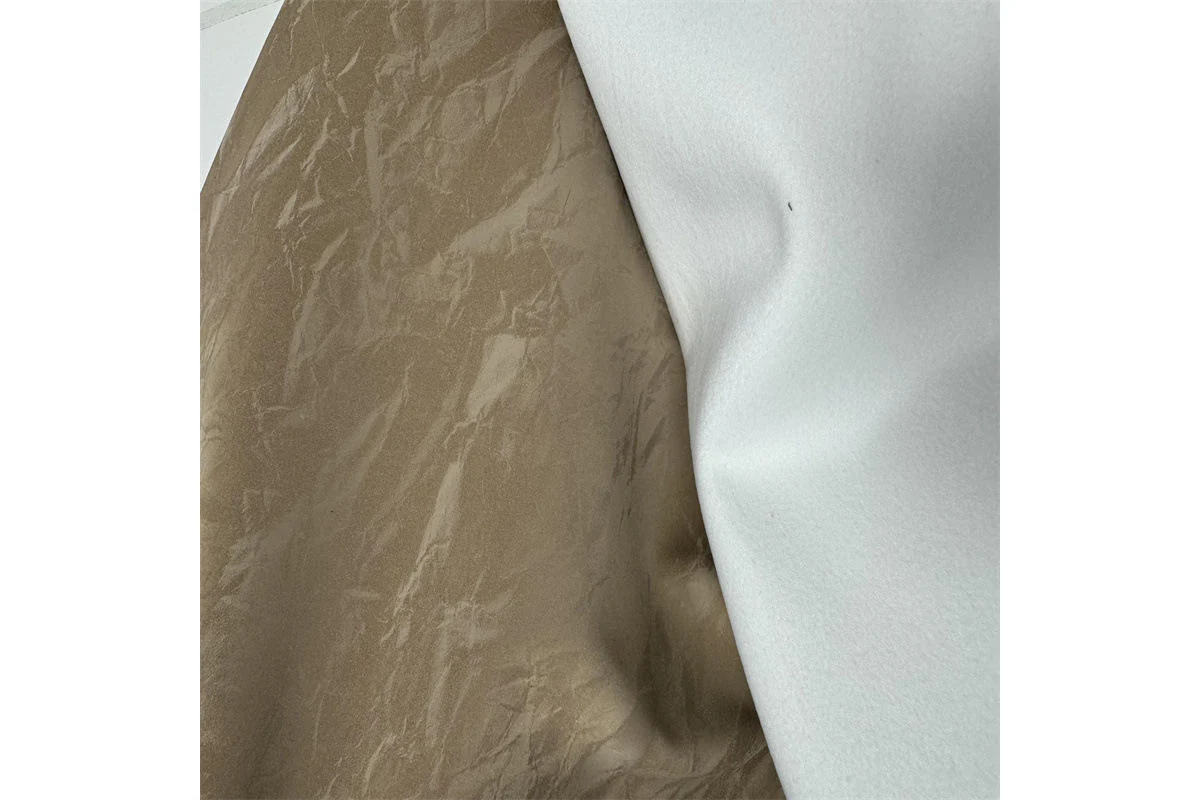
PU and Hide
A coated synthetic face takes its texture from the finish. Natural hide can show variation in the grain across the strap.
Compare Belt Surfaces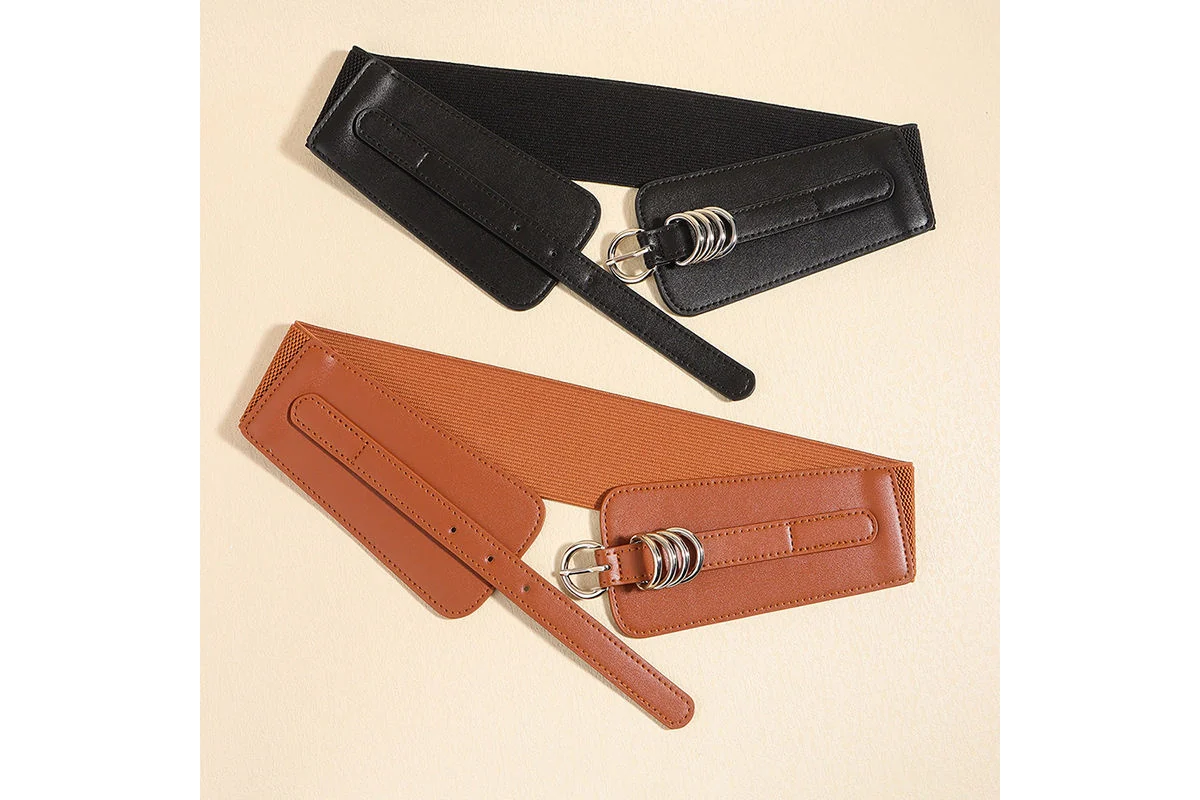
Check the Material Description
The coating, backing and lining can differ. Use the details of the selected construction when naming the material on a retail label.
Discuss Material Details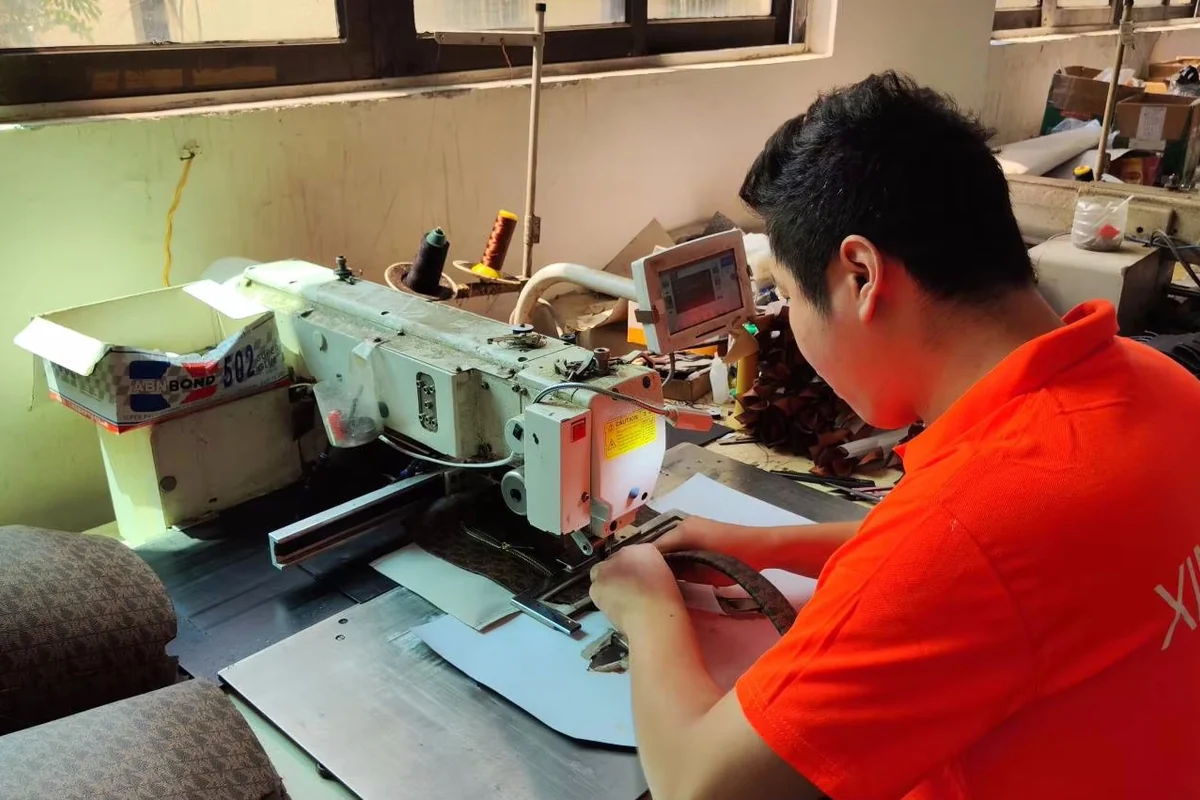
Finishing the Edge of a Synthetic Belt
On a cut sample, you can see the face and backing at the edge. On the finished belt, edge paint covers the cut layers, or a folded face wraps around them.
Send Your Synthetic Belt Idea
Send a color reference, a photo of the finish you like or a quick sketch of the buckle. Any one of these is enough to start.
Get a Custom QuoteQuestions About Synthetic Belt Orders
Read about sample appearance, product descriptions and production timing.