
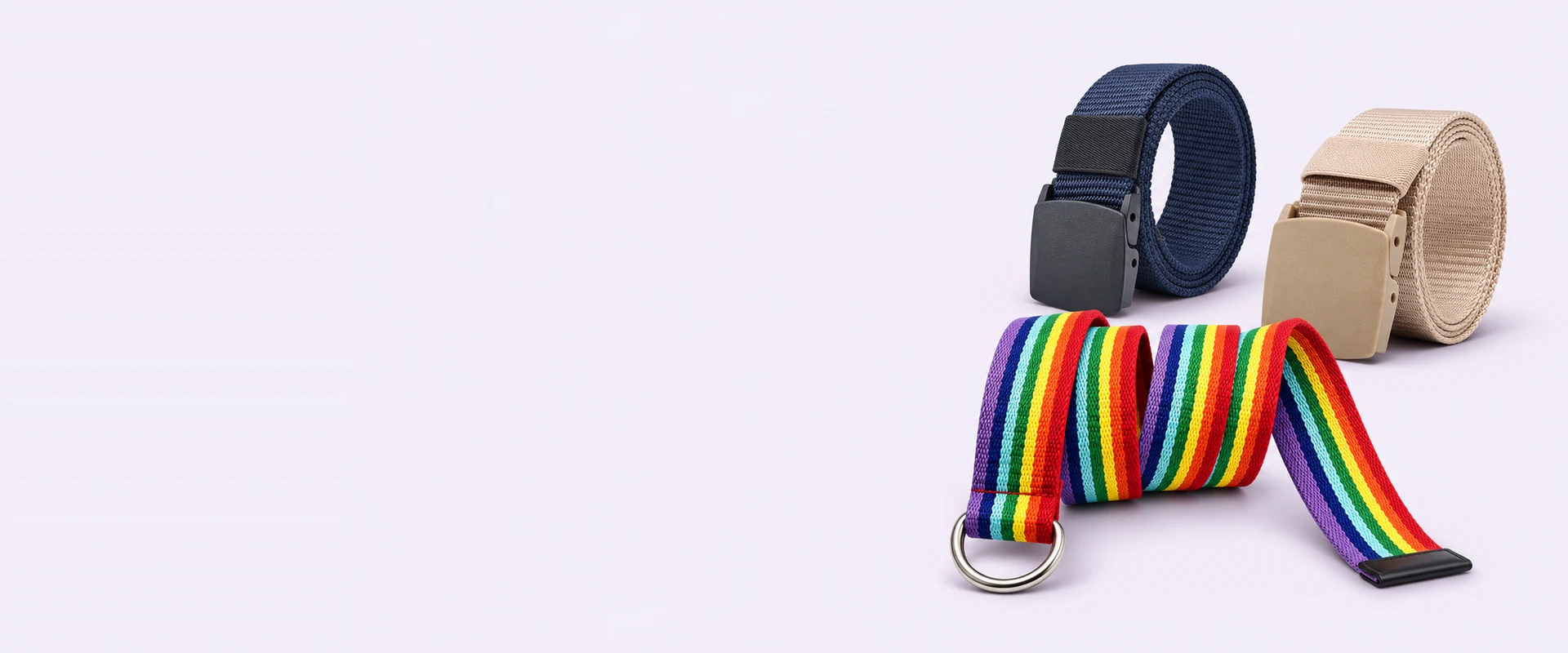
Custom Webbing & Nylon Belts
WiseBelts manufactures custom webbing and nylon belts in Yiwu for everyday clothing and branded collections.
Choose the Details of Your Webbing Belt
- The factory minimum is 100 belts.
- Measure both the finished webbing and the opening it needs to fit through.
- Choose a solid color, yarn-based design or surface graphic according to the look you want.
- Nylon, polyester and cotton describe fibers, while webbing describes the narrow woven strap.
- We produce the belts in Yiwu and check each one before shipment.
Making Webbing Belts with WiseBelts
A short length of strap can communicate the scale of a weave or stripe more clearly than a color name.

In-house belt production
Our Yiwu factory makes the belts and checks each one before shipment.

A starting design
A worn belt, a swatch or a sketch can show which stripe, texture or buckle you want to develop.
Sampling
Our sample-making time is 3–5 days, giving you a physical reference for a narrow woven design.

Brand placement
Plan where the repeat will appear on the exposed strap when the wearer fastens the belt.

First-run quantity
The starting production quantity is 100 belts.

Manufacturing schedule
Bulk production takes 15–25 days. Transport is a separate part of your launch schedule.
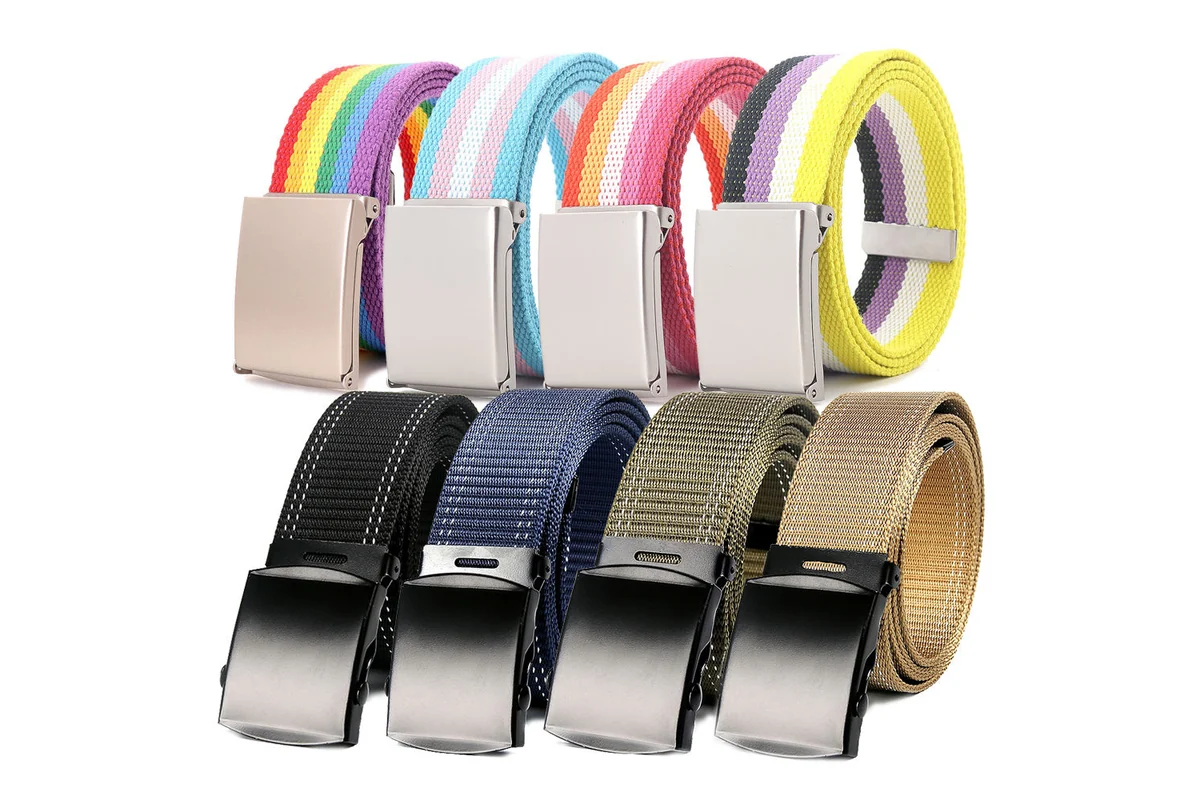
Four Woven Belt Styles
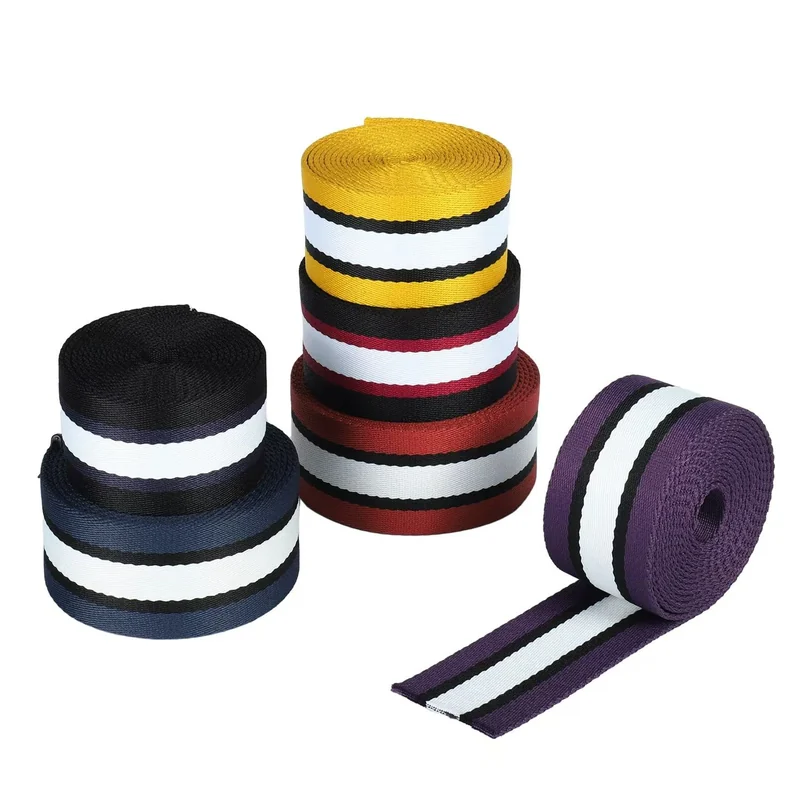
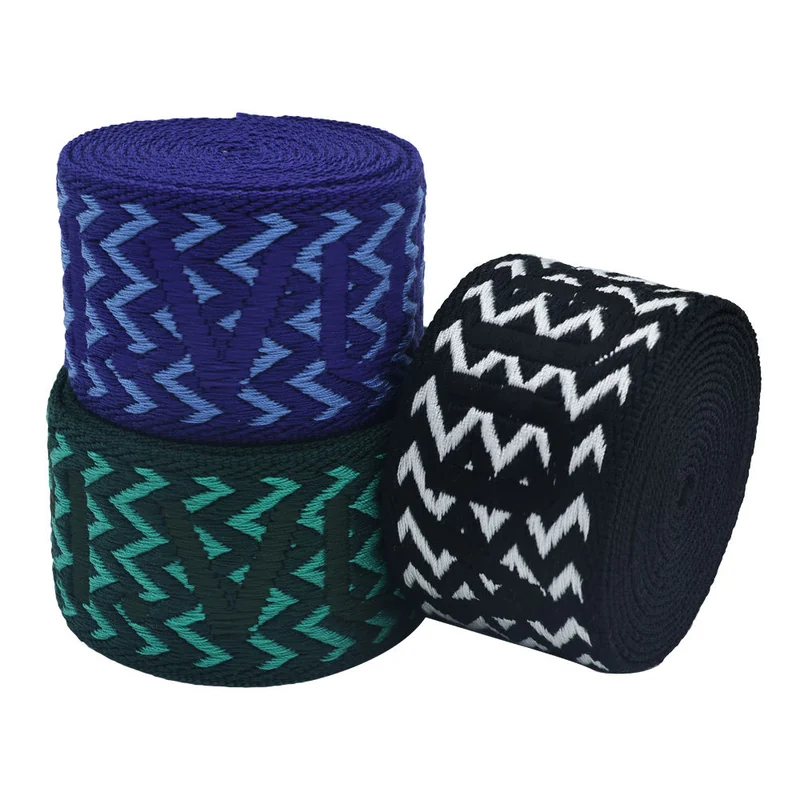
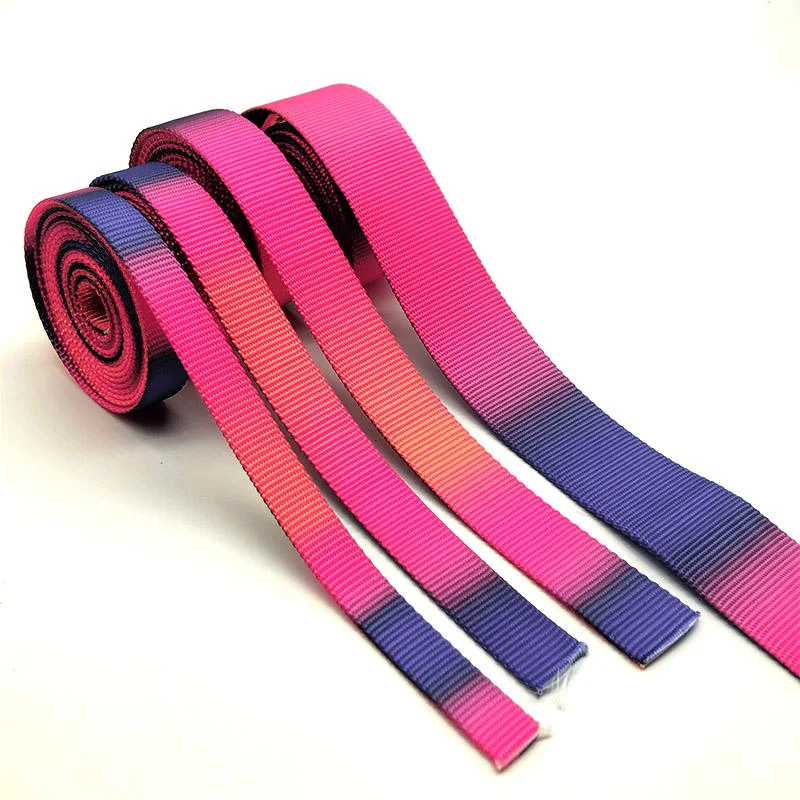
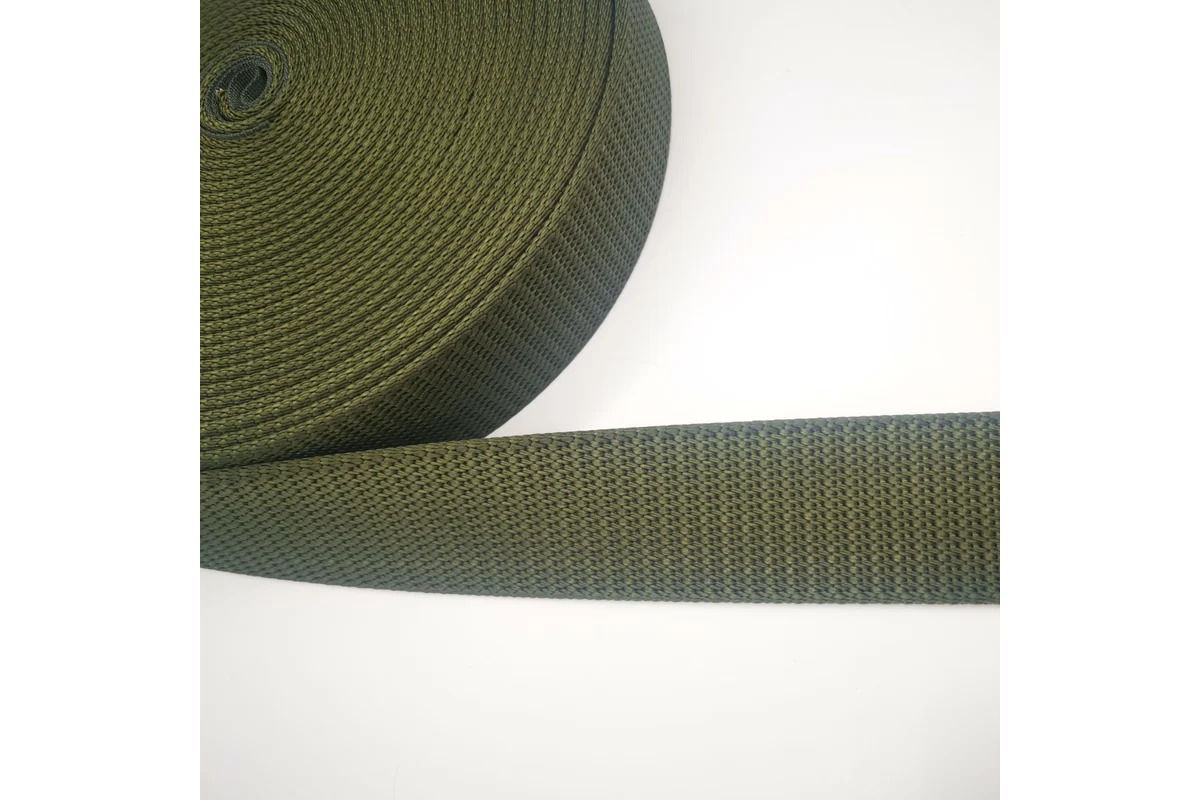
A solid-colored strap lets the weave show. A stripe or repeating mark makes the webbing itself part of the outfit. Use these design ideas to start your own version.
Compare Fiber and Weave Separately
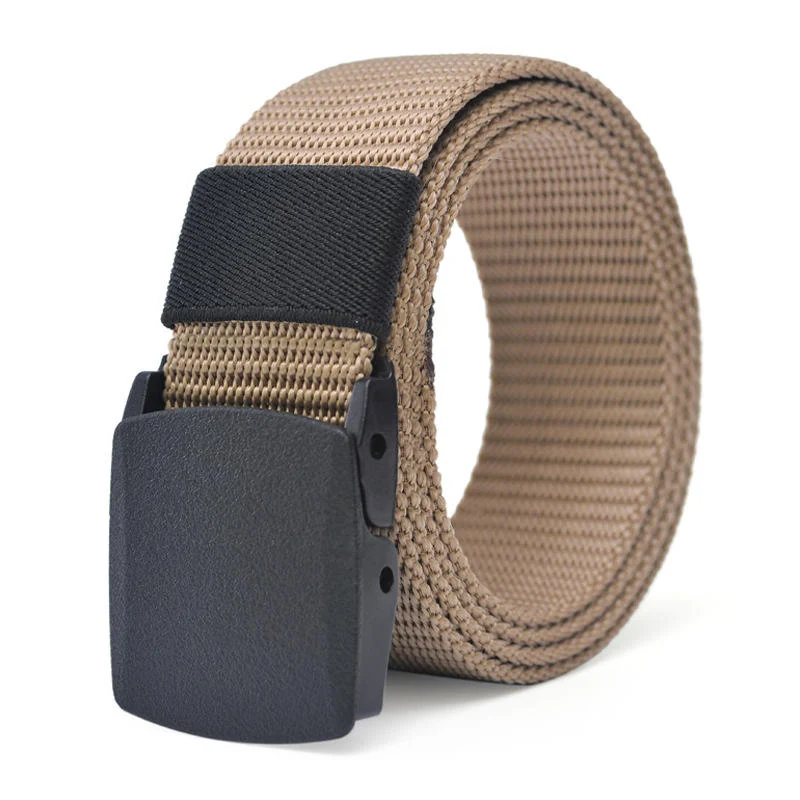
A close weave can appear on belts made from different fibers. Feel samples at the same width to see how the yarn and weave affect the strap.
- Nylon webbing
Two nylon straps can feel different. Compare their texture and sheen side by side. - Polyester webbing
Polyester can be woven tightly or loosely. Compare the weave and finish on the sample. - Cotton webbing
Cotton often gives a matte, cloth-like face suited to casual clothing. - Woven edges
A close look at the side shows how the yarns form the edge across the full length of the strap.
Design a Stripe That Reads at Belt Scale
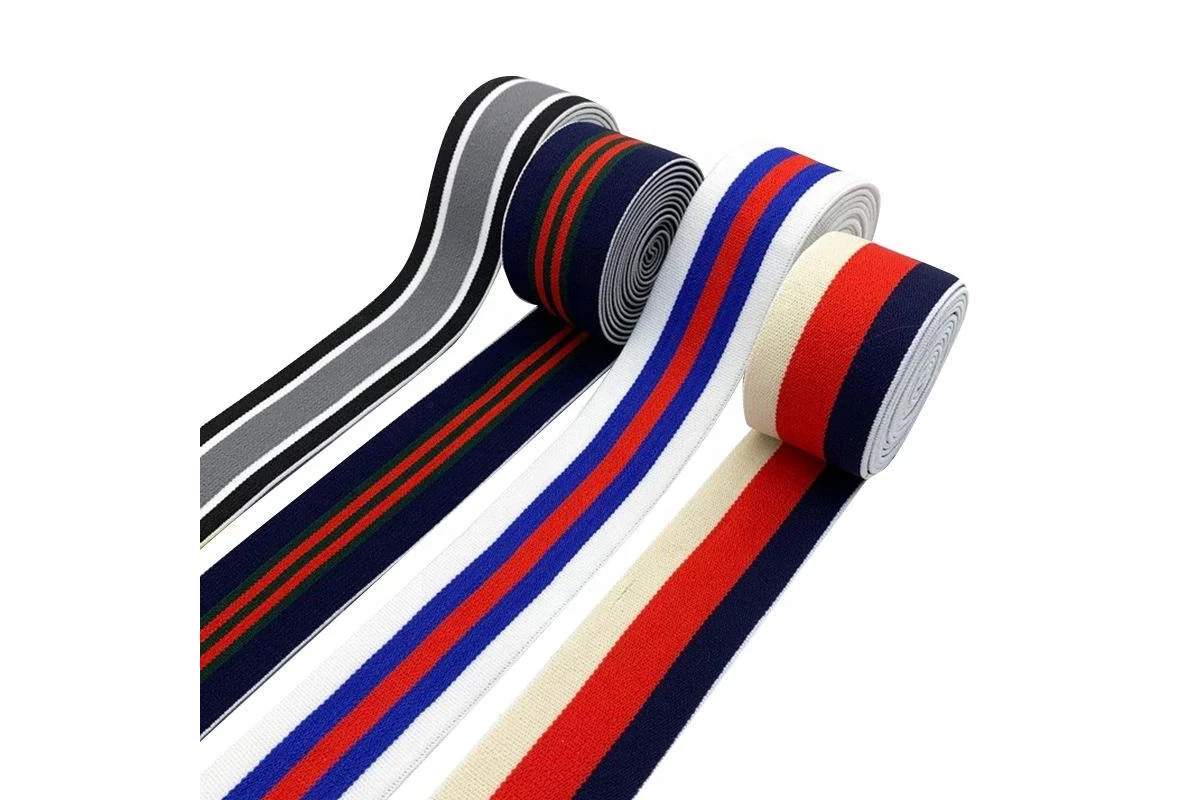
Sketch the stripe across the finished strap width. A narrow accent and a broad center band divide the same width very differently.
- Center stripe
A wide center stripe makes the main color stand out between the trouser loops. - Edge stripes
A narrow line near each side frames the strap along its full length. - Two-color balance
Equal-width bands create a different rhythm from one dominant background and a fine accent. - Yarn reference
Compare physical yarn or webbing colors beside the garment fabric when pairing a belt with a uniform.
Decide How the Graphic Is Formed
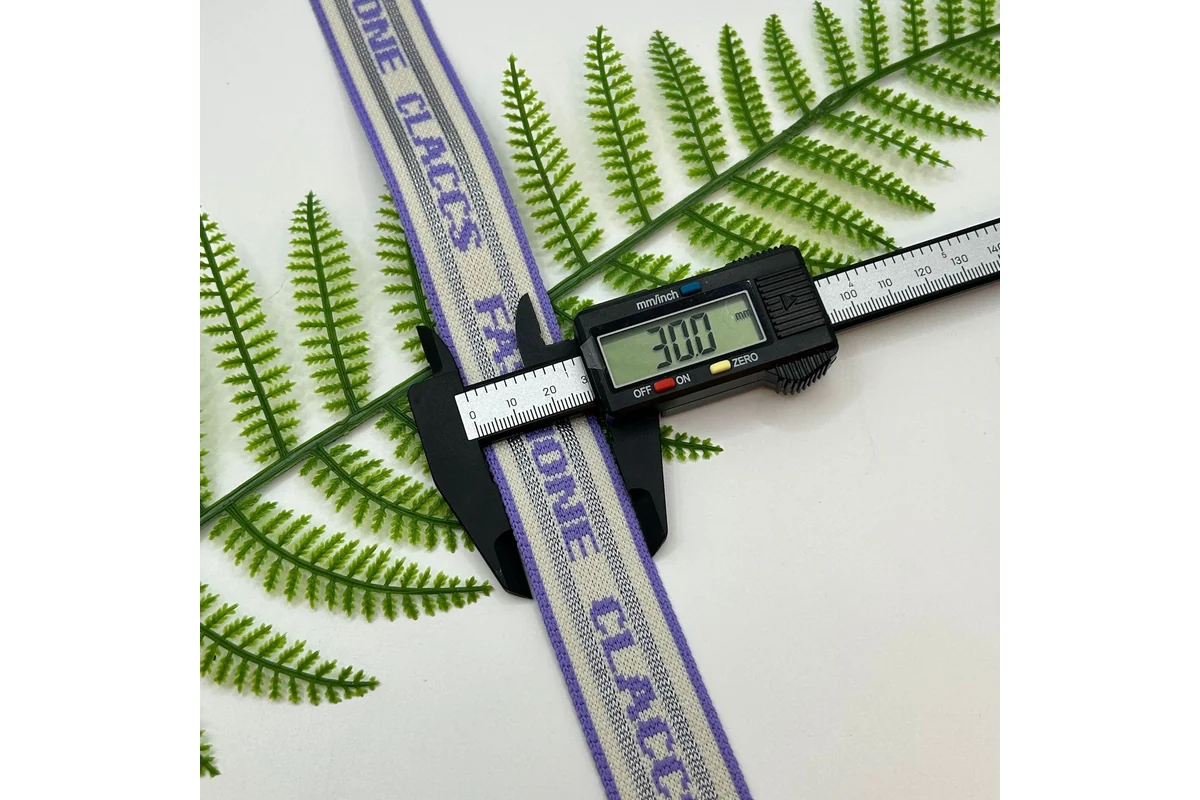
A woven repeat uses the structure of the strap. A print places the artwork on its surface.
- Jacquard motif
The image is formed from yarns, so a small logo has to remain legible within the weave. - Surface print
A print can place artwork independently of the yarn pattern already visible underneath. - Repeat spacing
A close repeat places wordmarks almost end to end. Wider spacing leaves a band of plain webbing between them. - Visible side
Inspect the face and reverse if a loose tail may turn over during wear.
Match the Fastener to the Webbing
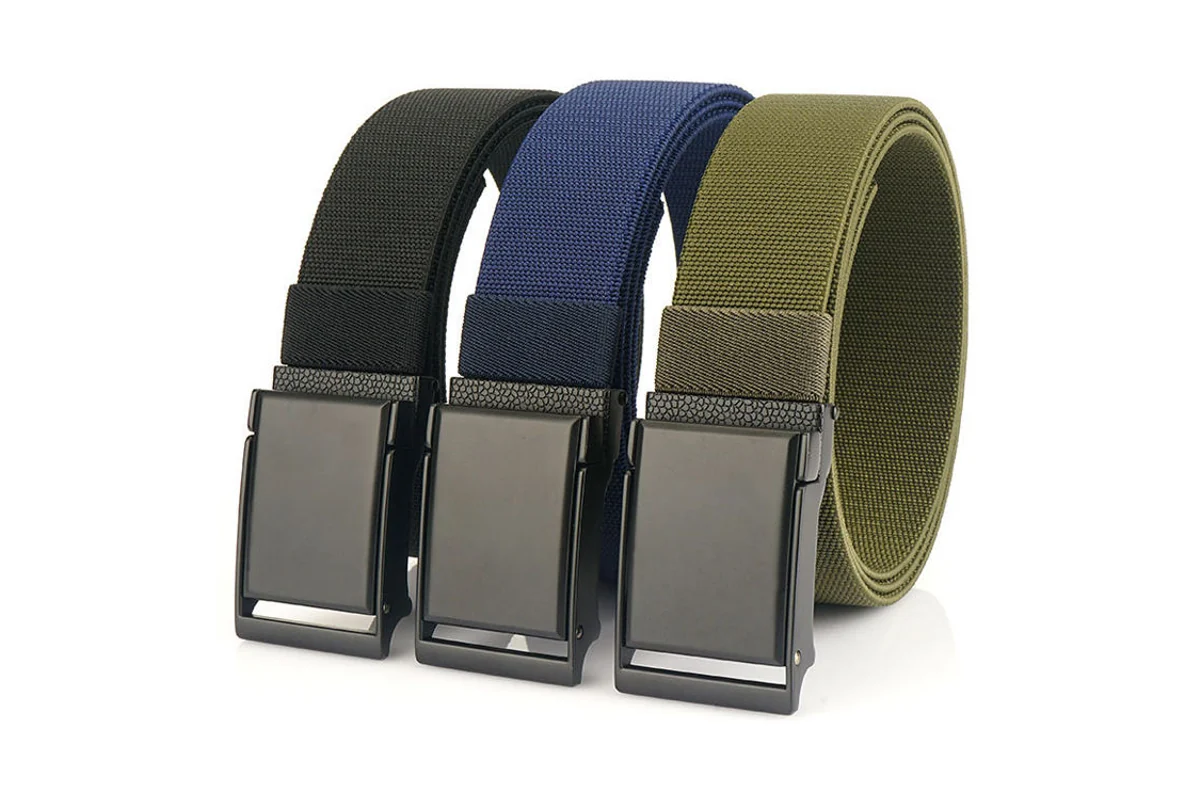
The strap must feed through the opening and lie flat after adjustment. A flat sample alone does not show the thickness of a turned-back end.
- Buckle opening
Match the inside width to the finished webbing so the edges do not bunch at the entry. - Clamping buckle
A clamp grips the webbing at the chosen length without a row of holes. Its opening must suit the strap thickness. - Ring buckle
With a pair of D-rings, the tail passes through both rings and folds back between them. Leave enough length for the doubled section. - Buckle attachment
Check how many layers meet where the strap turns around the hardware.
Finish the Tip for Everyday Use
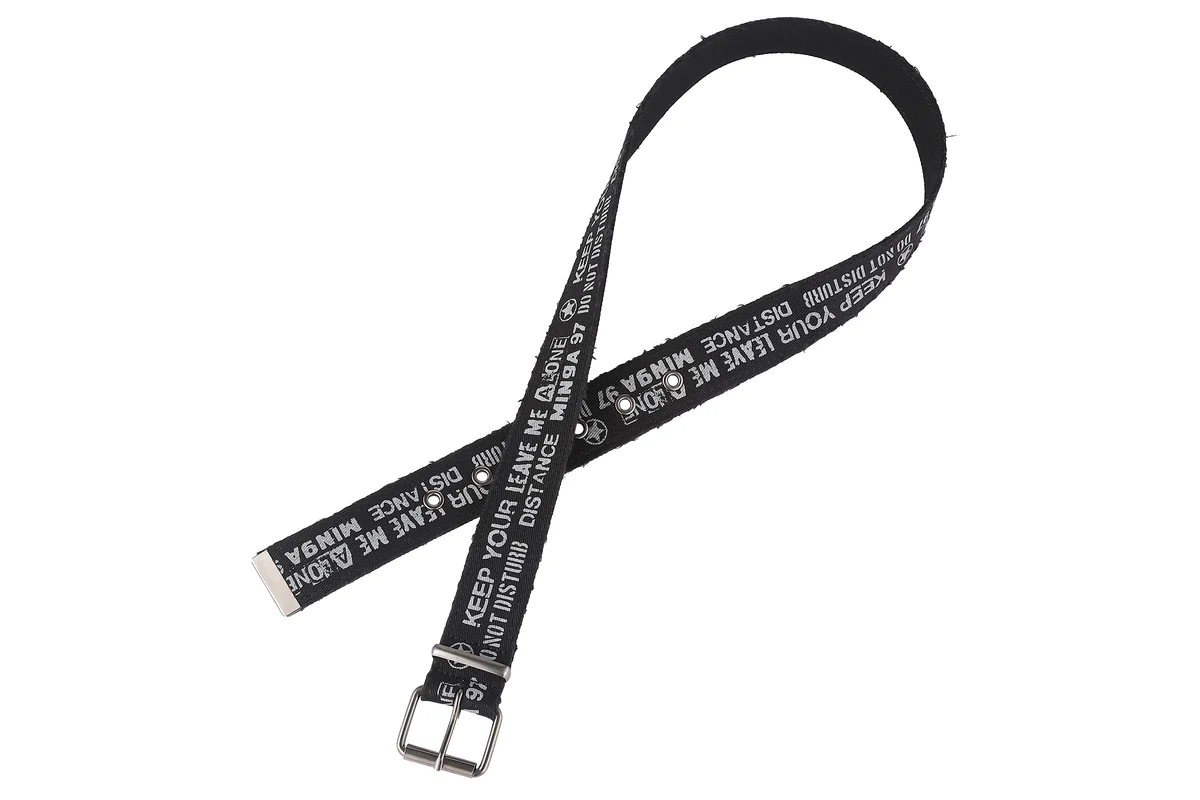
The end of a webbing belt takes repeated handling as it passes through the loops. Choose the shape and finish alongside the strap material.
- Folded tip
Folding the end back covers its cut edge and adds thickness at the tip. - Bound tip
A separate binding can add a contrasting strip of color and cover the cut end. - Metal tip
A metal end creates a distinct accent and changes the finished width and feel at the tail. - Cut end
The edge treatment has to suit the actual fiber. Cotton and synthetic yarns behave differently when cut.
Webbing Construction and Materials
Look closely at a sample across its width and along its edges. The fiber label does not describe every part of the weave.
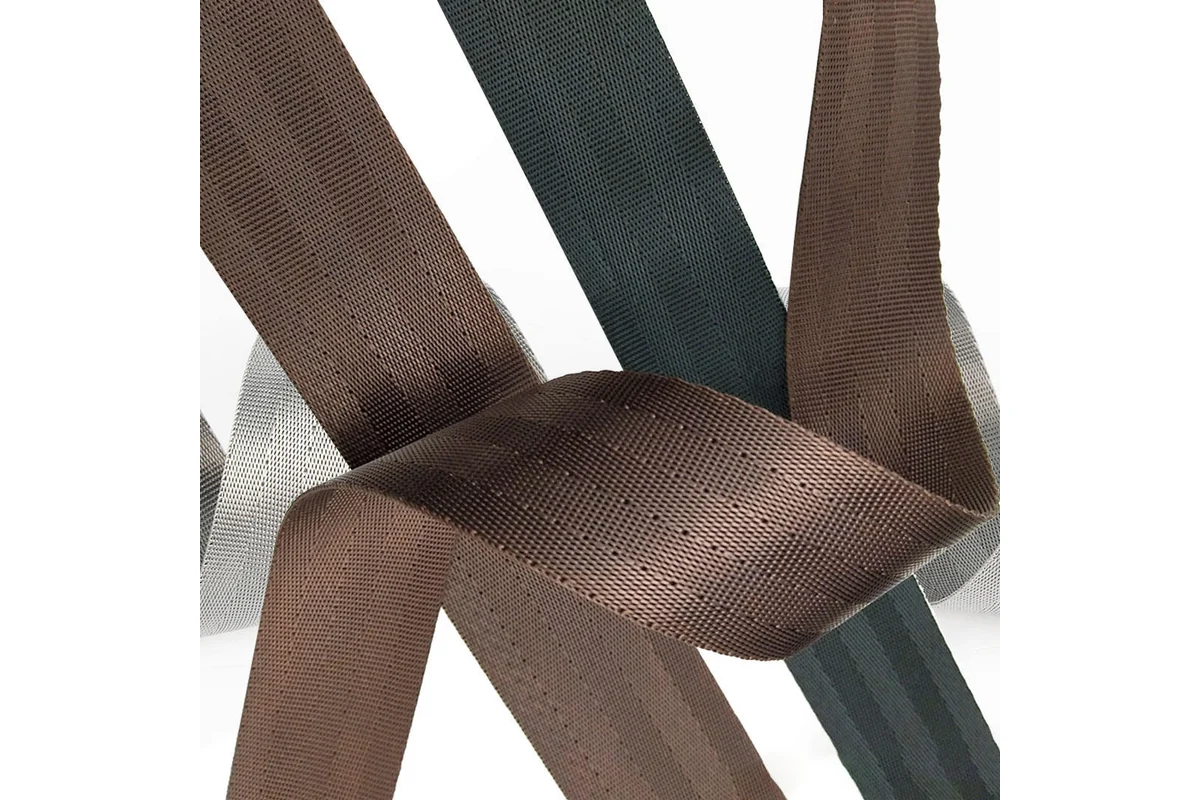
Fibers in the band
Nylon, polyester and cotton webbing can have different yarn sizes, surface texture and finishes. Compare physical samples at the target width.
Discuss Fibers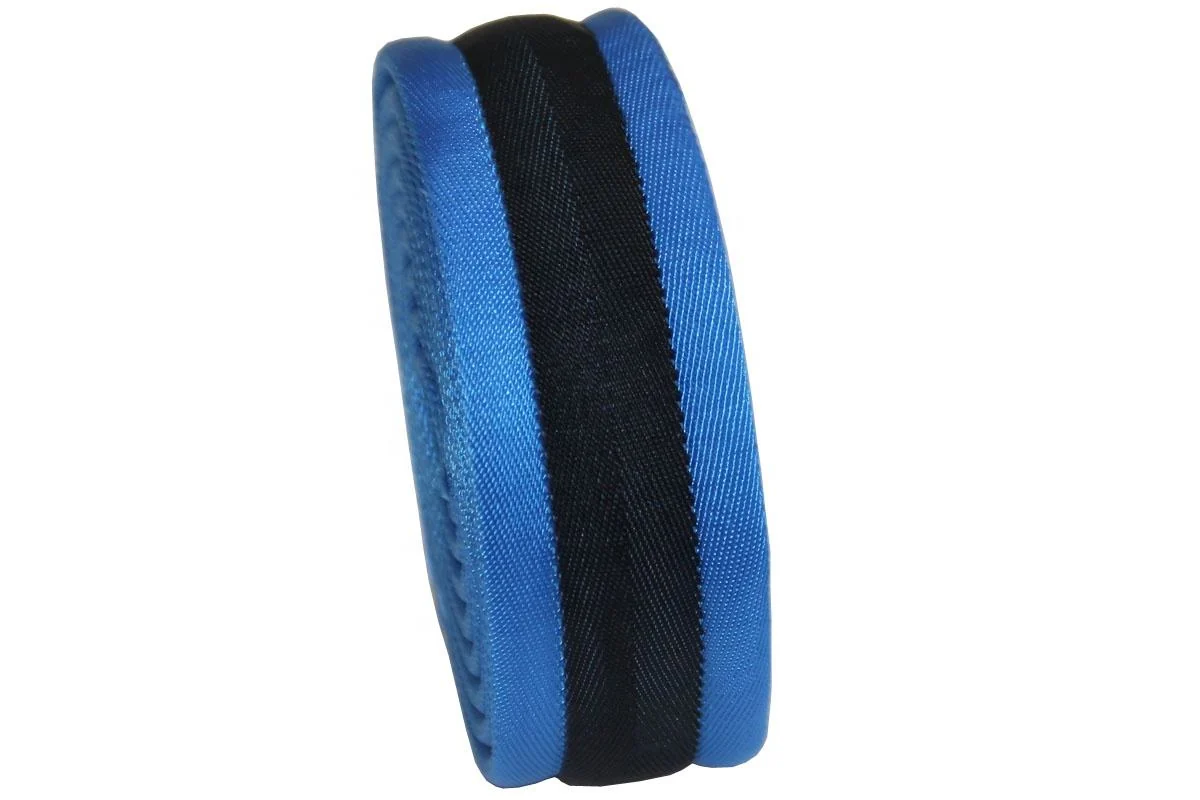
Jacquard or printed webbing
Jacquard builds a motif into the weave. A printed motif sits on the face, so the reverse and the edge can look quite different.
Compare Design Methods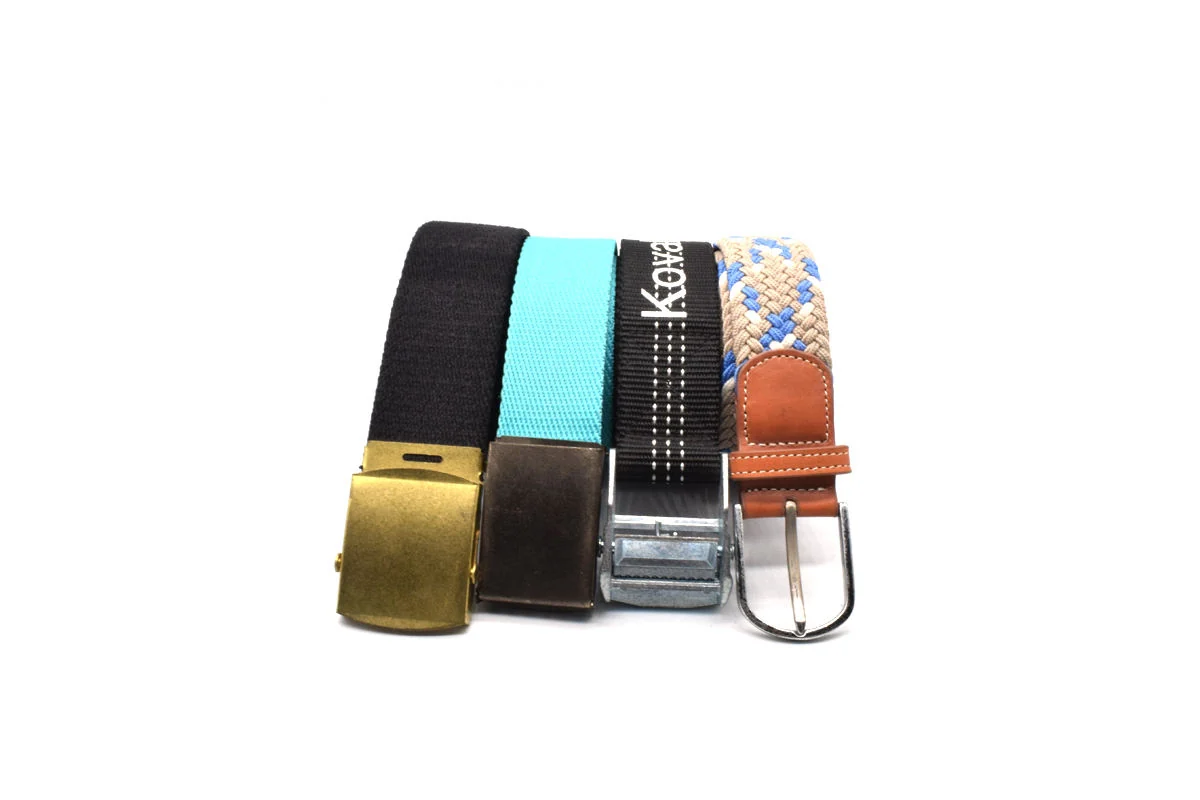
Match the Band to the Hardware
Use the finished sample to try the webbing in the buckle, especially where the band doubles back. Our factory checks every belt before shipment.
Discuss a Webbing Sample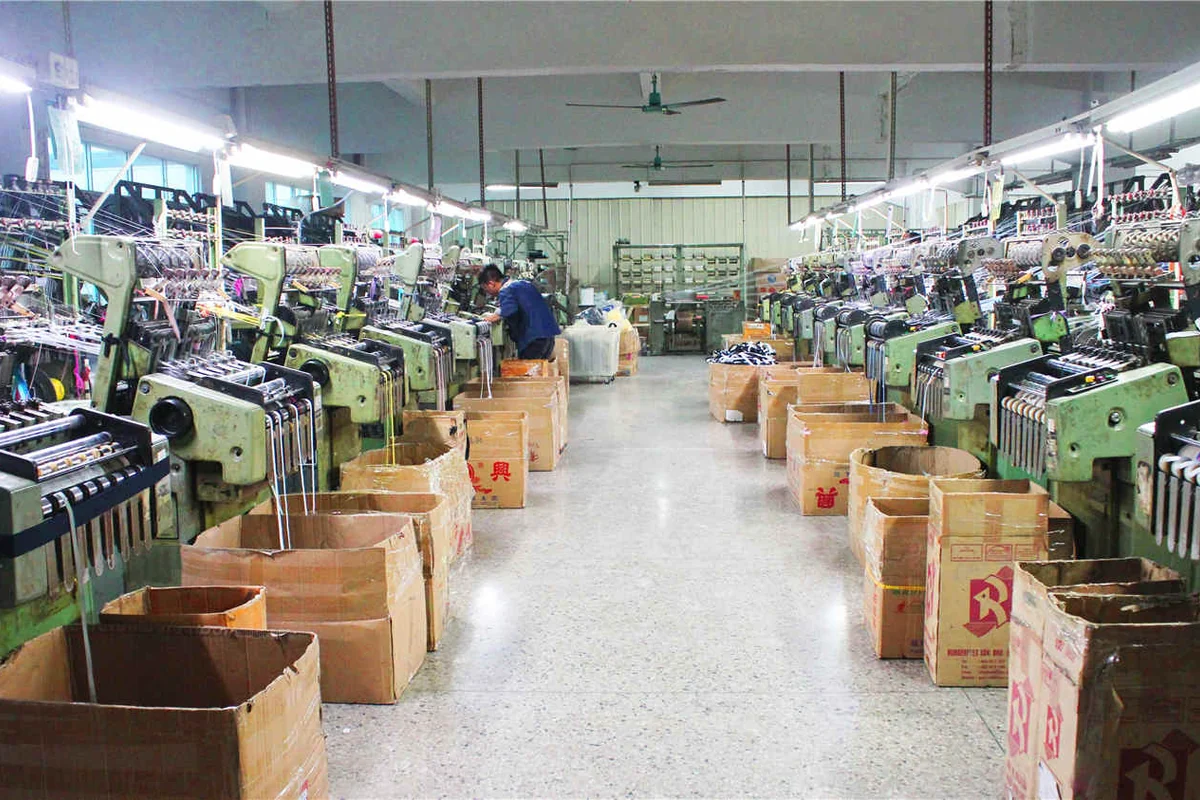
Finishing a Webbing Belt
A folded tip covers the cut end and adds a little thickness. If you prefer a bound or metal tip, try the finished end through the buckle and the garment loops.
What Would You Like Woven or Printed?
Email a stripe sketch, a strap photo or a description of the pattern you have in mind. If you know the quantity, include it.
Get a Custom QuoteOrdering a Webbing Belt
Questions about quantities, samples, weave and buckle compatibility.